Saturday, February 25, 2006


Reflection of playday
Well, I felt quite happy because the playday managed to be a successful event for all the 3rd year teslians. Congratulations to Bae & Co. for making a good job and especially to nurDALEAty, for being a great team partner, your willingness to share your brilliant ideas with me and make our Guess it! game done well.
I personally think that playday could be a best platform for the teslians to share lots of ideas, comments and feedbacks with each other according to the games we have been exposed to. We managed to learn our game?s strengths and weaknesses and improved our skills on how to handle the game in way that is more appropriate during the language camp later.
In addition, to all the teslians, I want to allocate my gratitude for your co-operation and support in creating our Guess it! game lively.
Finally yet importantly, to Mr.g, I?m sorry to say this, but you need to try to remember all the teslians? name and never make we feel like we are out of the community. So, better check it out before the camp begin..
- oshin @ nurdayanaizyan -
Yahoo! Mail
Use Photomail to share photos without annoying attachments.
Monday, February 20, 2006
TENTATIVE PROGRAM
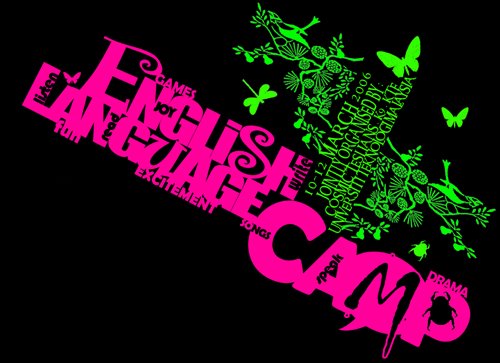
Tentative Program
Friday 3rd March 2006 (KTF)
8.30 – 9.00 Registration Briefing
9.00 – 11.00 Slot A : Ice breaking Group cheer
Saturday 4th March 2006
7.00 Depart to Camp Ground (From K9/KTF)
11.30 – 1.00 Slot B
1.00 – 2.00 Lunch / Prayer
2.00 – 4.30 Slot C
4.30 – 5.00 Tea break
5.00 – 6.30 Slot D: Amazing Race
6.30 – 8.00 Dinner
8.00 – 11.00 Slot E: Talentime
11.00 Supper
Sunday 5th March 2006
7.00 – 8.00 T.P.R
8.00 – 8.30 Breakfast
8.30 – 10.00 Slot F: Drama rehearsal
10.00 – 12.30 Drama presentation
12.30 – 1.00 Closing ceremony
1.00 Lunch /
Sunday, February 19, 2006
PLAYDAY 18 Feb. 2006

Playday started 30 minutes late. Mainly due to the commotion involving Lenny's car accident. Murphy's law says, anything that can go wrong will go wrong. Luckily, no major injury.
We managed to catch up with the schedule. I pointed out some enhancements that can be done to the games presented. Among others,
1. Good games should be simple but cheat-proof.
2. In debriefing, you want the participants to state your intended objectives.
3. Good facilitators should be lively. Congrats to Lenny for being the best facilitator despite the early morning jink.
Bae & Co. handled the event beautifully. Nevertheless, $10 for Nasi Ayam + Mee Hoon is a little bit expensive. Don't you think so?
Tuesday, November 15, 2005
WEB REALITI: MEMPROMOSI PEMBELAJARAN
WEB REALITI: MEMPROMOSI PEMBELAJARAN
DALAM KOMUNITI ONLINE GENG JURNAL
oleh
Ghazali Bunari
m-zali@utm.my
Abstrak
Geng Jurnal adalah sebuah komuniti online yang dibangunkan untuk penulis weblog Malaysia. Penulis weblog adalah penulis catatan jurnal yang menerbitkan jurnal mereka di web. Kertas ini menerangkan tentang program Juring, sebuah projek pembelajaran dengan konsep web realiti yang dianjurkan oleh komuniti online Geng Jurnal. Juring bertujuan memupuk kefahaman komuniti penulis weblog terhadap teknik penulisan weblog yang berkesan. Dalam projek ini, 10 peserta bersaing menyempurnakan tugasan-tugasan yang diberi oleh ketua juri, Wasit. Satu demi satu, peserta dijuring keluar, mengambil istilah persilatan membawa maksud tendangan sisi, oleh panel juri sehinggalah seorang penulis diisytiharkan sebagai Juara Juring. Melalui kaedah pemerhatian dalam kumpulan perbincangan elektronik, analisa arkib entri peserta dan pembaca, penulis memberi deskripsi tentang projek web realiti sebagai alat mempromosi pembelajaran dalam komuniti online.
PENGENALAN
Laman peribadi yang dikemaskini kandungannya secara berkala telah mula wujud seawal tahun terciptanya laman web itu sendiri. Namun begitu, laman yang melabel dirinya sebagai weblog muncul pada 1997 (Werbach, 2001). Perkataan weblog itu sendiri digunakan buat pertama kali oleh John Barger, pemilik kepada www.robotwisdom.com, dengan mengambungkan perkataan Web dan log pada 1997. “Web” merujuk kepada Internet dan perkataan “log” pula merujuk kepada catatan penulis yang berkala. Weblog juga dikenali dengan nama pendeknya blog, jurnal online dan diari online.
Pada peringkat awal weblog hanya dikuasai oleh mereka yang mempunyai kepakaran teknikal dalam bahasa pengaturcaraan seperti HTML (Hypertext Markup Language), ASP (Active Server Page) dan PHP (Personal Home Page Tools). Pada tahun 1999 Blogger (http://www.blogger.com) dan Livejournal (http://www.livejournal.com), memperkenalkan applikasi Web yang memudahkan penyelengaraan weblog bagi mereka yang tidak mahir dalam pengaturcaraan . Perisian weblog ini telah berjaya mengotakan janji bahawa Web membenarkan semua orang bersuara, satu usaha pendemokrasian persuratan.
The Guardian (2001) menamakan Blogger sebagai salah satu dari tujuh keajaiban Web sepentas dengan Yahoo dan Google. 2001 juga menyaksikan media cetak Malaysia mula memberi perhatian kepada weblog. Zoraini Abbas menulis dalam Computimes bahawa penulis-penulis yang menggunakan pelantar weblog ini adalah kreatif (2001). Wan Sabariah (2002) juga menulis tentang portal Geng Jurnal dalam majalah Jelita dan mencatat beberapa contoh weblog yang dikatakan sebagai penuh dengan kreativiti. Malah, salah satu penyedia khidmat Internet terbesar di Malaysia juga turut memeriahkan suasana menyediakan khidmat weblog percuma di www.jaring.my/weblog/. Pada 2004, kamus Merriam-webster memasukkan istilah weblog ke dalam kamus itu dan ianya dianggap sebagai Word of the Year, 2004.
Blog noun [short for Weblog] (1999) : a Web site that contains an online personal journal with reflections, comments, and often hyperlinks provided by the writer. (Merriam-Webster)
Kandungan weblog adalah pelbagai. Ia boleh berupa catatan harian seperti diari, laporan projek, komentar tentang isu-isu sosiopolitik, dan cadangan link untuk dilawat atau gambar-gambar yang ingin dikongsi bersama. (Werbach, 2000; Pyra Labs, 2000)
Debat mengenai definisi sebenar weblog mungkin akan berterusan selari dengan perubahan ICT yang begitu pesat. Namun begitu, definisi yang disediakan oleh Winer (2001), CEO kepada sebuah syarikat pengeluar perisian weblog, amat sesuai untuk mengambarkan apakah weblog itu sebenarnya. Beliau mencadangkankan 4 kata kunci:
1. Peribadi - Weblog adalah milik peribadi.
2. Dalam Web - Weblog disebarkan melalui Web browser .
3. Diterbitkan - Kata-kata ditulis dan diposkan ke dalam web untuk bacaan mereka yang mempunyai akses kepada Internet.
4. Komuniti Internet - Himpunan-himpunan weblog yang saling berkait antara satu sama lain melalui rantaian hyperlinks juga mewujudkan satu komuniti. Komuniti weblog yang terwujud hasil dari interaksi antara satu penulis dengan penulis yang lain ini dinamakan Blogsphere.
Di Malaysia juga terdapat ramai penulis weblog. Ada di antara mereka mempunyai pembaca yang ramai kerana mutu tulisan mereka yang baik. Ada kes-kes terpencil di mana mereka merungut bila tulisan mereka di cedok dan di siarkan kembali dalam web lain, sebagai sebaran e-mel dan ada juga yang terbit dalam media cetak. Pun begitu, majoriti adalah penulis akar umbi yang meluahkan perasaan atau baru mengasah bakat untuk jadi penulis yang baik. Mereka tercari-cari cara untuk memantapkan tulisan mereka.
GENG JURNAL
Preece (2001) menafsirkan komuniti online sebagai ruang sosial maya di mana orang berkumpul untuk mendapatkan dan memberi maklumat atau sokongan, untuk belajar atau mendapatkan kenalan. Blogsphere yang sedia ada boleh dimantapkan dengan wujudnya satu ruang untuk dituju oleh penggiat weblog. Pada Ogos 2001 Khairul Azmi Kamaludin mula membangunkan satu komuniti untuk peminat weblog yang dinamakan Geng Jurnal. Web komuniti ini boleh dicapai melalui alamatnya di http://jurnal.biz. Geng Jurnal adalah komuniti online yang dibina untuk penulis dan pembaca weblog. Menurut pengasasnya, komuniti ini ditubuhkan dengan matlamat untuk mengeratkan lagi hubungan antara penulis jurnal dan para pembaca melalui aktiviti berfaedah dan bermanfaat. Gerbang ini telah berjaya mengumpul dan menyenaraikan, setakat tarikh artikel ini ditulis (17 Ogos 2005), sebanyak 1695 ahli berdaftar untuk forumnya. Ahli-ahli Geng Jurnal tidak perlu membayar yuran untuk menyertai komuniti ini. Cukup dengan menyertai aktiviti Geng Jurnal untuk mewartakan diri sebagai Geng Jurnal.
Geng Jurnal diuruskan oleh sukarelawan di kalangan ahli disamping terdapatnya ahli jawatankuasa yang dipilih melalui undian. Kaedah pengurusan aktiviti Geng Jurnal dikenali sebagai Anarki Terpimpin oleh mereka. Dalam kaedah ini, sesiapa pun boleh memulakan dan menjalankan apa-apa aktiviti selagi ianya tidak haram mengikut syarak dan undang-undang. Ini mirip dengan apa yang dikatergorikan oleh model Penyertaan Pemimpin Vroom (Vroom’s Leader Participation Model) sebagai gaya delegasi. Dalam gaya ini pemimpin membenarkan kumpulan untuk membuat keputusan dalam had-had tertentu (Robin & Coultre, 2003). Dalam kes Geng Jurnal, ahli-ahli jawatankuasa berperanan sebagai pemantau dan pemudahcara bagi mereka yang yang ingin menjalankan aktiviti.
Kim (2000) mengariskan sembilan strategi penting dalam membangunkan sebuah komuniti online yang mampan:
1. Definisikan dan perjelaskan halatuju
2. Bina tempat perhimpunan yang luwes
3. Wujudkan sistem profail ahli yang baik
4. Reka peranan yang pelbagai untuk ahli
5. Bangunkan program kepimpinan
6. Galakkan etika yang sesuai
7. Promosikan aktiviti yang berkitaran
8. Wujudkan amalan-amalan ritual yang menjadi kebiasaan dalam komuniti
9. Bantu ahli mewujudkan kelopok kecil.
Walaupun Geng Jurnal tidak secara formal mengatakan mereka berpegang pada sembilan strategi yang digariskan, mereka telah pun melalui strategi-strategi ini secara sedar dan tidak sedar. Di forum online Geng Jurnal pula terdapat beberapa aktiviti yang mendapat sambutan ramai. Program Juring ini sendiri adalah satu usaha mempromosi aktiviti yang berkitaran. Ia mempunyai objektif yang jelas dan tempat sudah dikenali oleh ahli. Juri, peserta dan pembaca tahu akan peranan mereka dalam program ini. Etika seperti mengelakan kesalahan ejaan dan plagiat adalah disanjung.
(Rajah 1: Rajah menunjukkan beberapa kegiatan yang popular di kalangan Geng Jurnal. )
Gangguan Teksual: Projek penerbitan zine alternatif yang kandungannya adalah catatan-catatan pilihan dari dalam weblog.
Diablog: Wacana ilmiah yang membincangkan dunia penulisan weblog. Wacana ini diadakan di Rumah PENA. Seringkali, tokoh-tokoh weblog tertentu dijemput untuk mengetuai perbincangan.
Geng Mak Itam: Kumpulan ahli-ahli Geng Jurnal yang gemar berkomunikasi secara synchronous melalui Instant Messenger.
Hari Anugerah Weblog: Ini merupakan acara tahunan di mana para ahli berkumpul. Ianya bermula dari sebuah perkelahan kecil pada 2001 dan kini berupa majlis makan yang gemilang. Pada waktu inilah anugerah-anugerah weblog dalam katergori-katergori tertentu disampaikan.
Lantit: Ini merupakan panggilan untuk acara santai di mana ahli berjumpa untuk bersembang dan menikmati makan malam di restoran-restoran sekitar ibukota.
Projek Basah: Projek ini adalah projek lasak di mana ahli berkumpul di sebuah kawasan perkhemahan bina semangat di Jasin, Melaka. Aktiviti seperti berkanu, war games, berjalan malam dijalankan di sini. Program ini telah dijalankan sebanyak empat kali.
Lumba Foto: Sebulan sekali satu tema baru akan diperkenalkan di jurnal.biz. Peserta yang berminat dengan fotografi digital akan menampal foto mengikut tema tersebut. Pemenang akan dipilih dan dianugerahkan dengan puji-pujian.
Lumba Kata/Catatan: Program ini dijalankan secara online di mana para peserta berkongsi kepakaran menulis masing-masing berdasarkan tema atau tajuk yang yang diberi.
JURING
Pengenalan
Juring adalah jawapan Geng Jurnal kepada ledakan program realiti di saluran-saluran TV tempatan. Objektif Juring adalah mempertingkatkan kesedaran terhadap teknik penulisan bermutu untuk persekitaran web. Juring merujuk kepada istilah persilatan yang membawa makna tendangan sisi. 10 orang peserta mengambil bahagian dalam pertandingan ini, dan satu persatu dijuring keluar berdasarkan mata yang terkumpul setelah sesuatu tugasan penulisan yang dilaksanakan. Juring meraikan kepakaran penulisan untuk medium web. Hadiah awal yang ditawarkan adalah sehelai t-shirt. Pun begitu, semasa pertandingan berjalan beberapa individu dikalangan ahli Geng Jurnal sendiri menawarkan diri untuk menaja hadiah sampingan. Hadiah-hadiah lain yang dimenangi oleh juara adalah beg, nama domain dan buku pelbagai tajuk.
Format
Juring dimulakan dengan menjemput ahli-ahli komuniti menulis satu perenggan pendek 100 perkataan memberi rasional kenapa mereka layak untuk bertanding. Juri-juri kemudiannya membuat pangkatan kepada hasil penulisan ujibakat ini. 10 peserta lelaki yang dianggap terbaik dari kelompok mereka dipilih berdasarkan purata markah pangkatan yang diberikan oleh 3 juri. Pada setiap pusingan, peserta-peserta akan diberi tugasan penulisan (100-250 patah perkataan) untuk disiapkan.
Peserta
Terdapat 15 peserta menghantar tulisan mereka untuk sesi ujibakat. 10 lelaki dan 5 wanita. 10 dari mereka telah dipilih. Setiap dari mereka memiliki weblog masing-masing. Mereka dipilih berdasarkan jantina dan entri ujibakat. Berikut adalah peserta-peserta yang mengambil bahagian dalam Juring.
LELAKI:
01. Lapan (http://lapan.blogspot.com/) Jurureka hiasan dalaman
02. Irwandy (http://irwandy.blogdrive.com/) Staf IT
03. Engku (http://engku.blogspot.com/) Jurugambar
04. Directrixz (http://xpressikehidupan.blogspot.com/) Pelajar IT
05. Basri (http://dugongsenyum.blogdrive.com/) Pembantu Jurutera
WANITA:
01. Tipah (http://tipahvogue.blogspot.com/) Setiausaha/Pelajar Pengurusan
02. Delima (http://delima.blogdrive.com/) Pegawai Sokongan Pelanggan
03. Rosram (http://rosram.diaryland.com/) Usahawan / Guru Tuisyen
04. Vizier (http://lepatpisang.blogspot.com/) Juruanalisa Sistem
05. Liyanna (http://capriquarius.lovable-monkey.net/) Pelajar Undang-undang
Walau bagaimanapun sebelum pertandingan bermula, seorang peserta wanita telah menarik diri dengan alasan tidak dapat menumpukan perhatian. Oleh kerana cuma 5 peserta ujibakat adalah wanita dan tiada rizab peserta wanita maka Wasit tidak punya pilihan lain selain dari mengambil peserta lelaki untuk menggantikan tempat peserta yang menarik diri bagi mencukupi angka 10. Sebagai mengantikan tempat Rosram, seorang peserta lelaki telah dipilih berdasarkan markah pangkatan.
01. Yadziz (http://hangbuah.blogspot.com/) Kerani
Juri
Tugas para juri adalah memberi ulasan dan pangkatan kepada hasil tulisan para peserta. Purata pangkatan ini kemudiannya akan menentukan siapa yang bakal keluar dari pertandingan. Juri utama terdiri ahli-ahli kanan Geng Jurnal. Mereka adalah:
Tok Rimau: Tok Rimau adalah Wasit (Istilah persilatan merujuk kepada hakim) atau Ketua Juri. Tok Rimau adalah bekas presiden Geng Jurnal untuk penggal 2003. Beliau mempunyai 4 tahun pengalaman mengendalikan weblog. Beliau berkerja sebagai pensyarah bahasa di sebuah IPTA di Johor. Tugas utama Tok Rimau adalah menetapkan tugasan dan mengisytiharkan secara rasmi peserta yang dijuring.
Mat Jan: Mat Jan merupakan pemenang Anugerah Weblog Terbaik 2002 anjuran Geng Jurnal. Beliau mempunyai 5 tahun pengalaman mengendalikan Blog. Mempunyai ijazah Undang-undang dan sekarang menyambung pelajaran dalam bidang Setiausaha Berkanun di Pulau Pinang.
Pak Bear: Pak Bear adalah ahli Geng Jurnal yang aktif membuat video digital. Beliau adalah seorang pegawai IT di sebuah muzium di Melaka. Juga seorang pelajar separuh masa sebuah universiti swasta dalam bidang yang sama.
Tugasan akhir dijalankan secara bersemuka dialam nyata di Rumah Pena, Kuala Lumpur. Pada ketika itu dua peserta peringkat akhir menjadi ahli panel Program Diablog yang membincangkan isu ahli Geng Jurnal yang berpuak-puak. Tanpa mereka sedari, sumbangan mereka dalam Diablog diambil kira sebagai markah akhir. Oleh kerana juri-juri utama tidak tinggal di Kuala Lumpur, dua juri tambahan telah dilantik hanya untuk tugasan ini.
Bukunota: Bukunota adalah juri jemputan untuk cabaran terakhir yang ada kaitan dengan Projek Diablog, forum mengenai isu-isu dalam dunia weblog. Beliau adalah seorang wartawan di sebuah syarikat akhbar tempatan di Kuala Lumpur. Beliau dipilih kerana beliau adalah ketua Projek Diablog.
Cik Daun: Cik Daun adalah seorang jurutera sistem yang bertugas di sebuah syarikat ICT swasta di Cyberjaya. Beliau adalah pengerusi majlis Projek Diablog di mana tugasan akhir untuk Juring dinilai.
Pembaca/ Audien
Pembaca untuk entri dalam Juring boleh datang dari ahli Geng Jurnal atau mereka yang bukan ahli. Beberapa weblog Geng Jurnal telah meletakkan link promosi ke forum Juring bagi menggalakan kehadiran pembaca. Pembaca boleh meninggalkan reaksi dengan cara memberi komen bertulis dan mengundi peserta kegemaran mereka. Namun begitu, undian pungutan suara tidak memberi sebarang kesan langsung kepada keputusan Juring. Pungutan undi lebih kepada popularity contest dan tidak mempunyai kesan secara langsung kepada penjurian. Terdapat juga pembaca turut menjalankan tugasan dan mengeposnya di forum. Perbuatan ini adalah digalakkan, dan mereka yang berbuat demikian dilabelkan sebagai Anak Keladi sempena label yang diberi pada anak-anak kecil yang turut bermain dengan abang yang sudah dewasa tetapi prestasinya tidak diambil kira dalam menentukan keputusan permainan.
Medium
Tugasan 1-8 dalam Juring dilaksanakan dalam sebuah forum web Geng Jurnal (http://www.jurnal.biz/forum/.) Forum ini menggunakan perisian Open Source PHPBB. Entri-entri dalam forum ini disusun secara linear mengikut susunan masa. Catatan yang telah dipos boleh disunting lagi oleh pentadbir forum dan penulis sendiri. Medium ini dipilih kerana kebanyakan ahli Geng Jurnal sudah biasa dengan sistem dan antaramuka forum web ini. Forum ini boleh dibaca oleh sesiapa sahaja yang mempunyai akses ke Internet. Namun begitu, untuk menulis entri dalam forum ini, sesorang itu hendaklah mendaftarkan diri sebagai ahli forum. Pendaftaran adalah percuma.
Tugasan
Juring memberi fokus kepada tugasan-tugasan yang berkaitan dengan dunia weblog. Secara amnya, peserta ditugaskan menyiapkan beberapa genre penulisan yang popular di weblog dalam masa 1 hingga 2 minggu. Dalam banyak keadaan, peserta juga diminta menyertakan imej sampingan sebagai gambar hiasan untuk entri mereka.
Tugasan akhir adalah agak berlainan berbanding tugasan-tugasan sebelumnya. Dua peserta akhir tidak tahu bilakah mereka akan dinilai. Tanpa mereka sedari, mereka telah dinilai ketika mereka terlibat sebagai ahli panel Projek Diablog.
(Jadual 1: Jadual menunjukkan sinopsis tugasan serta had perkataan yang ditetapkan dan jangkamasa yang diperuntukkan untuk menyempurnakannya.)
Cabaran
Cabaran utama bagi menjalan program web realiti seperti Juring adalah masa untuk para peserta dan para juri menjalankan tugasan dan akses kepada Internet. Menulis weblog hanyalah satu hobi, peserta dan para juri perlu mengutamakan kerjaya utama mereka. Rosram menarik diri setelah dia dipilih selepas ujibakat dengan sebab perlu menumpukan kepada kerjaya. Tipah pula terkeluar dari pertandingan dalam tugasan 1 kerana gagal menghantar pos sebelum tarikh akhir. Directrixz pula gagal mendapatkan akses Internet untuk menyempurnakan tugasan 5 kerana pada waktu itu beliau pulang ke kampung di Trengganu. Liyanna pula menarik diri di pusingan 8 kerana beliau melanjutkan peolajaran dalam bidang undang-undang di sebuah universiti tempatan. Oleh kerana hanya tinggal dua peserta pada cabaran 8, sedangkan ada satu cabaran lagi di cabaran 9, markah untuk cabaran 8 dan 9 dijumlahkan bagi mendapat juara.
Keputusan
(Jadual 2: Jadual menunjukkan prestasi peserta dalam bentuk pangkatan dan min kedudukan mereka sepanjang penyertaan.)
Di akhiri pertandingan, Basri diumumkan sebagai juara juring. Beliau menunjukkan hasil tulisan yang konsisten dan berada pada purata pangkat kedua sepanjang pertandingan. Secara amnya, para peserta berusaha untuk mematuhi nahu, ejaan dan peraturan tanda baca. Juri banyak memberi tumpuan kepada kandungan dan gaya bahasa berbanding dengan kemahiran tatabahasa.
Dari segi pembacaan juga menggalakkan. Cabaran yang paling kerap dilihat adalah cabaran 3, Ulasan Berita. Komunikasi dan pos dalam cabaran ini dilihat sebanyak 2651. Cabaran paling kurang dilihat adalah cabaran 9. Ianya dilihat sebanyak 898 kali sahaja. Jumlah pos paling banyak pula jatuh kepada ruang cabaran 7, Sentuhan Hati, dengan 98 pos. Manakala, jumlah pos paling kurang jatuh pada ruang cabaran Ulasan Siri TV dengan 40 pos sahaja. Angka-angka ini melebihi angka purata untuk pos dan bacaan untuk topik-topik dipos dalam forum Geng Jurnal.
(Jadual 3: Jadual menunjukkan jumlah mesej dan kekerapan dilihat sesuatu topik dalam forum Geng Jurnal.)
KesimpulanSama ada Juring berjaya mencapai objektifnya untuk mempertingkatkan kesedaran terhadap teknik penulisan bermutu untuk persekitaran web amatlah susah untuk diukur keberkesanannya. Bagi peserta yang mengambil bahagian, terdapat bukti-bukti usaha telah dilakukan bagi menonjolkan hasil tulisan yang bermutu. Ini ketara jika tulisan mereka dalam Juring dibanding dengan tulisan mereka dalam weblog masing-masing. Pun begitu, tiada bukti yang menunjukkan peningkatan mutu penulisan secara langsung disebabkan oleh Juring pada weblog mereka. Sambutan dari ahli Geng Jurnal dan peserta sendiri menunjukkan reaksi positif dari sudut jumlah mesej dan kekerapan lawatan. Komen-komen pembaca juga menunjukkan kesedaran bahawa terdapatnya teknik yang berkesan dalam menulis entri untuk persekitaran web.
(Rajah 2: Anjakan dari Broadcast Learning ke Interactive Learning)
Tapscott (1998) meramalkan anjakan dari Broadcast Learning kepada Interactive Learning untuk generasi yang terdedah pada Internet. Juring, sedikit sebanyak mendakap prinsip-prinsip Interactive Learning ini. Adalah diharap, agar ahli Geng Jurnal dapat mengutip isi komentar para juri dan saingan sengit dalam Juring sebagai ilmu untuk diamalkan dalam weblog mereka masing-masing seperti mana usahawan dapat belajar dari Apprentice, penyanyi dapat belajar dari Malaysian Idol dan pemburu cinta dapat belajar dari Mencari Cinta. Semoga apabila Geng Jurnal menyumbang kepada dunia melalui tulisan mereka, tulisan mereka mereka itu menarik perhatian, mudah difahami dan memberi kesan mendalam kepada pembaca.
RUJUKAN
Guardian, The .2001, ‘The Seven wonders of the Web.’ December 27. Online: http://www.guardian.co.uk/Print/0,3858,4326023,00.html [ 20/01/ 2002]
Kim, A. J. 2000. Community Building on the Web. Berkeley: Peachpit Press.
Preece, J. 2001. Sociability and usability in online communities: Determining and measuring success. Behaviour & Information Technology. vol. 20, No. 5, 347-356.
Pyra Labs. 2000. About. Blogger. Online: http://www.blogger.com/about.pyra [19/2/2002]
Robin, S. & Coultre, M. 2003. Management. 7th Edition. New Jersey: Prentice Hall.
Tapscott, D. 1998. Growing up digital. New York. McGraww-Hill.
Wan Sabariah Shikh Ali. 2002. Jurnal online papar kreativiti muda-mudi melayu, Ruang Siber.’ Jelita. Februari. p. 128.
Werbach, K. 2001. Triumph of the Weblogs: The conversation continues. Online: http://www.edventure.com/conversation/articleprint.cfm?Caounter=7444662 [2/8/2002]Zoraini Abas (2001) ‘Web Sites Oozing With Creativity.’ Computimes. New Straits Times 11 Oktober. p. 27.
Nota:
Rajah & jadual hanya disertakan dalam kertas kerja asal.
DALAM KOMUNITI ONLINE GENG JURNAL
oleh
Ghazali Bunari
m-zali@utm.my
Abstrak
Geng Jurnal adalah sebuah komuniti online yang dibangunkan untuk penulis weblog Malaysia. Penulis weblog adalah penulis catatan jurnal yang menerbitkan jurnal mereka di web. Kertas ini menerangkan tentang program Juring, sebuah projek pembelajaran dengan konsep web realiti yang dianjurkan oleh komuniti online Geng Jurnal. Juring bertujuan memupuk kefahaman komuniti penulis weblog terhadap teknik penulisan weblog yang berkesan. Dalam projek ini, 10 peserta bersaing menyempurnakan tugasan-tugasan yang diberi oleh ketua juri, Wasit. Satu demi satu, peserta dijuring keluar, mengambil istilah persilatan membawa maksud tendangan sisi, oleh panel juri sehinggalah seorang penulis diisytiharkan sebagai Juara Juring. Melalui kaedah pemerhatian dalam kumpulan perbincangan elektronik, analisa arkib entri peserta dan pembaca, penulis memberi deskripsi tentang projek web realiti sebagai alat mempromosi pembelajaran dalam komuniti online.
PENGENALAN
Laman peribadi yang dikemaskini kandungannya secara berkala telah mula wujud seawal tahun terciptanya laman web itu sendiri. Namun begitu, laman yang melabel dirinya sebagai weblog muncul pada 1997 (Werbach, 2001). Perkataan weblog itu sendiri digunakan buat pertama kali oleh John Barger, pemilik kepada www.robotwisdom.com, dengan mengambungkan perkataan Web dan log pada 1997. “Web” merujuk kepada Internet dan perkataan “log” pula merujuk kepada catatan penulis yang berkala. Weblog juga dikenali dengan nama pendeknya blog, jurnal online dan diari online.
Pada peringkat awal weblog hanya dikuasai oleh mereka yang mempunyai kepakaran teknikal dalam bahasa pengaturcaraan seperti HTML (Hypertext Markup Language), ASP (Active Server Page) dan PHP (Personal Home Page Tools). Pada tahun 1999 Blogger (http://www.blogger.com) dan Livejournal (http://www.livejournal.com), memperkenalkan applikasi Web yang memudahkan penyelengaraan weblog bagi mereka yang tidak mahir dalam pengaturcaraan . Perisian weblog ini telah berjaya mengotakan janji bahawa Web membenarkan semua orang bersuara, satu usaha pendemokrasian persuratan.
The Guardian (2001) menamakan Blogger sebagai salah satu dari tujuh keajaiban Web sepentas dengan Yahoo dan Google. 2001 juga menyaksikan media cetak Malaysia mula memberi perhatian kepada weblog. Zoraini Abbas menulis dalam Computimes bahawa penulis-penulis yang menggunakan pelantar weblog ini adalah kreatif (2001). Wan Sabariah (2002) juga menulis tentang portal Geng Jurnal dalam majalah Jelita dan mencatat beberapa contoh weblog yang dikatakan sebagai penuh dengan kreativiti. Malah, salah satu penyedia khidmat Internet terbesar di Malaysia juga turut memeriahkan suasana menyediakan khidmat weblog percuma di www.jaring.my/weblog/. Pada 2004, kamus Merriam-webster memasukkan istilah weblog ke dalam kamus itu dan ianya dianggap sebagai Word of the Year, 2004.
Blog noun [short for Weblog] (1999) : a Web site that contains an online personal journal with reflections, comments, and often hyperlinks provided by the writer. (Merriam-Webster)
Kandungan weblog adalah pelbagai. Ia boleh berupa catatan harian seperti diari, laporan projek, komentar tentang isu-isu sosiopolitik, dan cadangan link untuk dilawat atau gambar-gambar yang ingin dikongsi bersama. (Werbach, 2000; Pyra Labs, 2000)
Debat mengenai definisi sebenar weblog mungkin akan berterusan selari dengan perubahan ICT yang begitu pesat. Namun begitu, definisi yang disediakan oleh Winer (2001), CEO kepada sebuah syarikat pengeluar perisian weblog, amat sesuai untuk mengambarkan apakah weblog itu sebenarnya. Beliau mencadangkankan 4 kata kunci:
1. Peribadi - Weblog adalah milik peribadi.
2. Dalam Web - Weblog disebarkan melalui Web browser .
3. Diterbitkan - Kata-kata ditulis dan diposkan ke dalam web untuk bacaan mereka yang mempunyai akses kepada Internet.
4. Komuniti Internet - Himpunan-himpunan weblog yang saling berkait antara satu sama lain melalui rantaian hyperlinks juga mewujudkan satu komuniti. Komuniti weblog yang terwujud hasil dari interaksi antara satu penulis dengan penulis yang lain ini dinamakan Blogsphere.
Di Malaysia juga terdapat ramai penulis weblog. Ada di antara mereka mempunyai pembaca yang ramai kerana mutu tulisan mereka yang baik. Ada kes-kes terpencil di mana mereka merungut bila tulisan mereka di cedok dan di siarkan kembali dalam web lain, sebagai sebaran e-mel dan ada juga yang terbit dalam media cetak. Pun begitu, majoriti adalah penulis akar umbi yang meluahkan perasaan atau baru mengasah bakat untuk jadi penulis yang baik. Mereka tercari-cari cara untuk memantapkan tulisan mereka.
GENG JURNAL
Preece (2001) menafsirkan komuniti online sebagai ruang sosial maya di mana orang berkumpul untuk mendapatkan dan memberi maklumat atau sokongan, untuk belajar atau mendapatkan kenalan. Blogsphere yang sedia ada boleh dimantapkan dengan wujudnya satu ruang untuk dituju oleh penggiat weblog. Pada Ogos 2001 Khairul Azmi Kamaludin mula membangunkan satu komuniti untuk peminat weblog yang dinamakan Geng Jurnal. Web komuniti ini boleh dicapai melalui alamatnya di http://jurnal.biz. Geng Jurnal adalah komuniti online yang dibina untuk penulis dan pembaca weblog. Menurut pengasasnya, komuniti ini ditubuhkan dengan matlamat untuk mengeratkan lagi hubungan antara penulis jurnal dan para pembaca melalui aktiviti berfaedah dan bermanfaat. Gerbang ini telah berjaya mengumpul dan menyenaraikan, setakat tarikh artikel ini ditulis (17 Ogos 2005), sebanyak 1695 ahli berdaftar untuk forumnya. Ahli-ahli Geng Jurnal tidak perlu membayar yuran untuk menyertai komuniti ini. Cukup dengan menyertai aktiviti Geng Jurnal untuk mewartakan diri sebagai Geng Jurnal.
Geng Jurnal diuruskan oleh sukarelawan di kalangan ahli disamping terdapatnya ahli jawatankuasa yang dipilih melalui undian. Kaedah pengurusan aktiviti Geng Jurnal dikenali sebagai Anarki Terpimpin oleh mereka. Dalam kaedah ini, sesiapa pun boleh memulakan dan menjalankan apa-apa aktiviti selagi ianya tidak haram mengikut syarak dan undang-undang. Ini mirip dengan apa yang dikatergorikan oleh model Penyertaan Pemimpin Vroom (Vroom’s Leader Participation Model) sebagai gaya delegasi. Dalam gaya ini pemimpin membenarkan kumpulan untuk membuat keputusan dalam had-had tertentu (Robin & Coultre, 2003). Dalam kes Geng Jurnal, ahli-ahli jawatankuasa berperanan sebagai pemantau dan pemudahcara bagi mereka yang yang ingin menjalankan aktiviti.
Kim (2000) mengariskan sembilan strategi penting dalam membangunkan sebuah komuniti online yang mampan:
1. Definisikan dan perjelaskan halatuju
2. Bina tempat perhimpunan yang luwes
3. Wujudkan sistem profail ahli yang baik
4. Reka peranan yang pelbagai untuk ahli
5. Bangunkan program kepimpinan
6. Galakkan etika yang sesuai
7. Promosikan aktiviti yang berkitaran
8. Wujudkan amalan-amalan ritual yang menjadi kebiasaan dalam komuniti
9. Bantu ahli mewujudkan kelopok kecil.
Walaupun Geng Jurnal tidak secara formal mengatakan mereka berpegang pada sembilan strategi yang digariskan, mereka telah pun melalui strategi-strategi ini secara sedar dan tidak sedar. Di forum online Geng Jurnal pula terdapat beberapa aktiviti yang mendapat sambutan ramai. Program Juring ini sendiri adalah satu usaha mempromosi aktiviti yang berkitaran. Ia mempunyai objektif yang jelas dan tempat sudah dikenali oleh ahli. Juri, peserta dan pembaca tahu akan peranan mereka dalam program ini. Etika seperti mengelakan kesalahan ejaan dan plagiat adalah disanjung.
(Rajah 1: Rajah menunjukkan beberapa kegiatan yang popular di kalangan Geng Jurnal. )
Gangguan Teksual: Projek penerbitan zine alternatif yang kandungannya adalah catatan-catatan pilihan dari dalam weblog.
Diablog: Wacana ilmiah yang membincangkan dunia penulisan weblog. Wacana ini diadakan di Rumah PENA. Seringkali, tokoh-tokoh weblog tertentu dijemput untuk mengetuai perbincangan.
Geng Mak Itam: Kumpulan ahli-ahli Geng Jurnal yang gemar berkomunikasi secara synchronous melalui Instant Messenger.
Hari Anugerah Weblog: Ini merupakan acara tahunan di mana para ahli berkumpul. Ianya bermula dari sebuah perkelahan kecil pada 2001 dan kini berupa majlis makan yang gemilang. Pada waktu inilah anugerah-anugerah weblog dalam katergori-katergori tertentu disampaikan.
Lantit: Ini merupakan panggilan untuk acara santai di mana ahli berjumpa untuk bersembang dan menikmati makan malam di restoran-restoran sekitar ibukota.
Projek Basah: Projek ini adalah projek lasak di mana ahli berkumpul di sebuah kawasan perkhemahan bina semangat di Jasin, Melaka. Aktiviti seperti berkanu, war games, berjalan malam dijalankan di sini. Program ini telah dijalankan sebanyak empat kali.
Lumba Foto: Sebulan sekali satu tema baru akan diperkenalkan di jurnal.biz. Peserta yang berminat dengan fotografi digital akan menampal foto mengikut tema tersebut. Pemenang akan dipilih dan dianugerahkan dengan puji-pujian.
Lumba Kata/Catatan: Program ini dijalankan secara online di mana para peserta berkongsi kepakaran menulis masing-masing berdasarkan tema atau tajuk yang yang diberi.
JURING
Pengenalan
Juring adalah jawapan Geng Jurnal kepada ledakan program realiti di saluran-saluran TV tempatan. Objektif Juring adalah mempertingkatkan kesedaran terhadap teknik penulisan bermutu untuk persekitaran web. Juring merujuk kepada istilah persilatan yang membawa makna tendangan sisi. 10 orang peserta mengambil bahagian dalam pertandingan ini, dan satu persatu dijuring keluar berdasarkan mata yang terkumpul setelah sesuatu tugasan penulisan yang dilaksanakan. Juring meraikan kepakaran penulisan untuk medium web. Hadiah awal yang ditawarkan adalah sehelai t-shirt. Pun begitu, semasa pertandingan berjalan beberapa individu dikalangan ahli Geng Jurnal sendiri menawarkan diri untuk menaja hadiah sampingan. Hadiah-hadiah lain yang dimenangi oleh juara adalah beg, nama domain dan buku pelbagai tajuk.
Format
Juring dimulakan dengan menjemput ahli-ahli komuniti menulis satu perenggan pendek 100 perkataan memberi rasional kenapa mereka layak untuk bertanding. Juri-juri kemudiannya membuat pangkatan kepada hasil penulisan ujibakat ini. 10 peserta lelaki yang dianggap terbaik dari kelompok mereka dipilih berdasarkan purata markah pangkatan yang diberikan oleh 3 juri. Pada setiap pusingan, peserta-peserta akan diberi tugasan penulisan (100-250 patah perkataan) untuk disiapkan.
Peserta
Terdapat 15 peserta menghantar tulisan mereka untuk sesi ujibakat. 10 lelaki dan 5 wanita. 10 dari mereka telah dipilih. Setiap dari mereka memiliki weblog masing-masing. Mereka dipilih berdasarkan jantina dan entri ujibakat. Berikut adalah peserta-peserta yang mengambil bahagian dalam Juring.
LELAKI:
01. Lapan (http://lapan.blogspot.com/) Jurureka hiasan dalaman
02. Irwandy (http://irwandy.blogdrive.com/) Staf IT
03. Engku (http://engku.blogspot.com/) Jurugambar
04. Directrixz (http://xpressikehidupan.blogspot.com/) Pelajar IT
05. Basri (http://dugongsenyum.blogdrive.com/) Pembantu Jurutera
WANITA:
01. Tipah (http://tipahvogue.blogspot.com/) Setiausaha/Pelajar Pengurusan
02. Delima (http://delima.blogdrive.com/) Pegawai Sokongan Pelanggan
03. Rosram (http://rosram.diaryland.com/) Usahawan / Guru Tuisyen
04. Vizier (http://lepatpisang.blogspot.com/) Juruanalisa Sistem
05. Liyanna (http://capriquarius.lovable-monkey.net/) Pelajar Undang-undang
Walau bagaimanapun sebelum pertandingan bermula, seorang peserta wanita telah menarik diri dengan alasan tidak dapat menumpukan perhatian. Oleh kerana cuma 5 peserta ujibakat adalah wanita dan tiada rizab peserta wanita maka Wasit tidak punya pilihan lain selain dari mengambil peserta lelaki untuk menggantikan tempat peserta yang menarik diri bagi mencukupi angka 10. Sebagai mengantikan tempat Rosram, seorang peserta lelaki telah dipilih berdasarkan markah pangkatan.
01. Yadziz (http://hangbuah.blogspot.com/) Kerani
Juri
Tugas para juri adalah memberi ulasan dan pangkatan kepada hasil tulisan para peserta. Purata pangkatan ini kemudiannya akan menentukan siapa yang bakal keluar dari pertandingan. Juri utama terdiri ahli-ahli kanan Geng Jurnal. Mereka adalah:
Tok Rimau: Tok Rimau adalah Wasit (Istilah persilatan merujuk kepada hakim) atau Ketua Juri. Tok Rimau adalah bekas presiden Geng Jurnal untuk penggal 2003. Beliau mempunyai 4 tahun pengalaman mengendalikan weblog. Beliau berkerja sebagai pensyarah bahasa di sebuah IPTA di Johor. Tugas utama Tok Rimau adalah menetapkan tugasan dan mengisytiharkan secara rasmi peserta yang dijuring.
Mat Jan: Mat Jan merupakan pemenang Anugerah Weblog Terbaik 2002 anjuran Geng Jurnal. Beliau mempunyai 5 tahun pengalaman mengendalikan Blog. Mempunyai ijazah Undang-undang dan sekarang menyambung pelajaran dalam bidang Setiausaha Berkanun di Pulau Pinang.
Pak Bear: Pak Bear adalah ahli Geng Jurnal yang aktif membuat video digital. Beliau adalah seorang pegawai IT di sebuah muzium di Melaka. Juga seorang pelajar separuh masa sebuah universiti swasta dalam bidang yang sama.
Tugasan akhir dijalankan secara bersemuka dialam nyata di Rumah Pena, Kuala Lumpur. Pada ketika itu dua peserta peringkat akhir menjadi ahli panel Program Diablog yang membincangkan isu ahli Geng Jurnal yang berpuak-puak. Tanpa mereka sedari, sumbangan mereka dalam Diablog diambil kira sebagai markah akhir. Oleh kerana juri-juri utama tidak tinggal di Kuala Lumpur, dua juri tambahan telah dilantik hanya untuk tugasan ini.
Bukunota: Bukunota adalah juri jemputan untuk cabaran terakhir yang ada kaitan dengan Projek Diablog, forum mengenai isu-isu dalam dunia weblog. Beliau adalah seorang wartawan di sebuah syarikat akhbar tempatan di Kuala Lumpur. Beliau dipilih kerana beliau adalah ketua Projek Diablog.
Cik Daun: Cik Daun adalah seorang jurutera sistem yang bertugas di sebuah syarikat ICT swasta di Cyberjaya. Beliau adalah pengerusi majlis Projek Diablog di mana tugasan akhir untuk Juring dinilai.
Pembaca/ Audien
Pembaca untuk entri dalam Juring boleh datang dari ahli Geng Jurnal atau mereka yang bukan ahli. Beberapa weblog Geng Jurnal telah meletakkan link promosi ke forum Juring bagi menggalakan kehadiran pembaca. Pembaca boleh meninggalkan reaksi dengan cara memberi komen bertulis dan mengundi peserta kegemaran mereka. Namun begitu, undian pungutan suara tidak memberi sebarang kesan langsung kepada keputusan Juring. Pungutan undi lebih kepada popularity contest dan tidak mempunyai kesan secara langsung kepada penjurian. Terdapat juga pembaca turut menjalankan tugasan dan mengeposnya di forum. Perbuatan ini adalah digalakkan, dan mereka yang berbuat demikian dilabelkan sebagai Anak Keladi sempena label yang diberi pada anak-anak kecil yang turut bermain dengan abang yang sudah dewasa tetapi prestasinya tidak diambil kira dalam menentukan keputusan permainan.
Medium
Tugasan 1-8 dalam Juring dilaksanakan dalam sebuah forum web Geng Jurnal (http://www.jurnal.biz/forum/.) Forum ini menggunakan perisian Open Source PHPBB. Entri-entri dalam forum ini disusun secara linear mengikut susunan masa. Catatan yang telah dipos boleh disunting lagi oleh pentadbir forum dan penulis sendiri. Medium ini dipilih kerana kebanyakan ahli Geng Jurnal sudah biasa dengan sistem dan antaramuka forum web ini. Forum ini boleh dibaca oleh sesiapa sahaja yang mempunyai akses ke Internet. Namun begitu, untuk menulis entri dalam forum ini, sesorang itu hendaklah mendaftarkan diri sebagai ahli forum. Pendaftaran adalah percuma.
Tugasan
Juring memberi fokus kepada tugasan-tugasan yang berkaitan dengan dunia weblog. Secara amnya, peserta ditugaskan menyiapkan beberapa genre penulisan yang popular di weblog dalam masa 1 hingga 2 minggu. Dalam banyak keadaan, peserta juga diminta menyertakan imej sampingan sebagai gambar hiasan untuk entri mereka.
Tugasan akhir adalah agak berlainan berbanding tugasan-tugasan sebelumnya. Dua peserta akhir tidak tahu bilakah mereka akan dinilai. Tanpa mereka sedari, mereka telah dinilai ketika mereka terlibat sebagai ahli panel Projek Diablog.
(Jadual 1: Jadual menunjukkan sinopsis tugasan serta had perkataan yang ditetapkan dan jangkamasa yang diperuntukkan untuk menyempurnakannya.)
Cabaran
Cabaran utama bagi menjalan program web realiti seperti Juring adalah masa untuk para peserta dan para juri menjalankan tugasan dan akses kepada Internet. Menulis weblog hanyalah satu hobi, peserta dan para juri perlu mengutamakan kerjaya utama mereka. Rosram menarik diri setelah dia dipilih selepas ujibakat dengan sebab perlu menumpukan kepada kerjaya. Tipah pula terkeluar dari pertandingan dalam tugasan 1 kerana gagal menghantar pos sebelum tarikh akhir. Directrixz pula gagal mendapatkan akses Internet untuk menyempurnakan tugasan 5 kerana pada waktu itu beliau pulang ke kampung di Trengganu. Liyanna pula menarik diri di pusingan 8 kerana beliau melanjutkan peolajaran dalam bidang undang-undang di sebuah universiti tempatan. Oleh kerana hanya tinggal dua peserta pada cabaran 8, sedangkan ada satu cabaran lagi di cabaran 9, markah untuk cabaran 8 dan 9 dijumlahkan bagi mendapat juara.
Keputusan
(Jadual 2: Jadual menunjukkan prestasi peserta dalam bentuk pangkatan dan min kedudukan mereka sepanjang penyertaan.)
Di akhiri pertandingan, Basri diumumkan sebagai juara juring. Beliau menunjukkan hasil tulisan yang konsisten dan berada pada purata pangkat kedua sepanjang pertandingan. Secara amnya, para peserta berusaha untuk mematuhi nahu, ejaan dan peraturan tanda baca. Juri banyak memberi tumpuan kepada kandungan dan gaya bahasa berbanding dengan kemahiran tatabahasa.
Dari segi pembacaan juga menggalakkan. Cabaran yang paling kerap dilihat adalah cabaran 3, Ulasan Berita. Komunikasi dan pos dalam cabaran ini dilihat sebanyak 2651. Cabaran paling kurang dilihat adalah cabaran 9. Ianya dilihat sebanyak 898 kali sahaja. Jumlah pos paling banyak pula jatuh kepada ruang cabaran 7, Sentuhan Hati, dengan 98 pos. Manakala, jumlah pos paling kurang jatuh pada ruang cabaran Ulasan Siri TV dengan 40 pos sahaja. Angka-angka ini melebihi angka purata untuk pos dan bacaan untuk topik-topik dipos dalam forum Geng Jurnal.
(Jadual 3: Jadual menunjukkan jumlah mesej dan kekerapan dilihat sesuatu topik dalam forum Geng Jurnal.)
KesimpulanSama ada Juring berjaya mencapai objektifnya untuk mempertingkatkan kesedaran terhadap teknik penulisan bermutu untuk persekitaran web amatlah susah untuk diukur keberkesanannya. Bagi peserta yang mengambil bahagian, terdapat bukti-bukti usaha telah dilakukan bagi menonjolkan hasil tulisan yang bermutu. Ini ketara jika tulisan mereka dalam Juring dibanding dengan tulisan mereka dalam weblog masing-masing. Pun begitu, tiada bukti yang menunjukkan peningkatan mutu penulisan secara langsung disebabkan oleh Juring pada weblog mereka. Sambutan dari ahli Geng Jurnal dan peserta sendiri menunjukkan reaksi positif dari sudut jumlah mesej dan kekerapan lawatan. Komen-komen pembaca juga menunjukkan kesedaran bahawa terdapatnya teknik yang berkesan dalam menulis entri untuk persekitaran web.
(Rajah 2: Anjakan dari Broadcast Learning ke Interactive Learning)
Tapscott (1998) meramalkan anjakan dari Broadcast Learning kepada Interactive Learning untuk generasi yang terdedah pada Internet. Juring, sedikit sebanyak mendakap prinsip-prinsip Interactive Learning ini. Adalah diharap, agar ahli Geng Jurnal dapat mengutip isi komentar para juri dan saingan sengit dalam Juring sebagai ilmu untuk diamalkan dalam weblog mereka masing-masing seperti mana usahawan dapat belajar dari Apprentice, penyanyi dapat belajar dari Malaysian Idol dan pemburu cinta dapat belajar dari Mencari Cinta. Semoga apabila Geng Jurnal menyumbang kepada dunia melalui tulisan mereka, tulisan mereka mereka itu menarik perhatian, mudah difahami dan memberi kesan mendalam kepada pembaca.
RUJUKAN
Guardian, The .2001, ‘The Seven wonders of the Web.’ December 27. Online: http://www.guardian.co.uk/Print/0,3858,4326023,00.html [ 20/01/ 2002]
Kim, A. J. 2000. Community Building on the Web. Berkeley: Peachpit Press.
Preece, J. 2001. Sociability and usability in online communities: Determining and measuring success. Behaviour & Information Technology. vol. 20, No. 5, 347-356.
Pyra Labs. 2000. About. Blogger. Online: http://www.blogger.com/about.pyra [19/2/2002]
Robin, S. & Coultre, M. 2003. Management. 7th Edition. New Jersey: Prentice Hall.
Tapscott, D. 1998. Growing up digital. New York. McGraww-Hill.
Wan Sabariah Shikh Ali. 2002. Jurnal online papar kreativiti muda-mudi melayu, Ruang Siber.’ Jelita. Februari. p. 128.
Werbach, K. 2001. Triumph of the Weblogs: The conversation continues. Online: http://www.edventure.com/conversation/articleprint.cfm?Caounter=7444662 [2/8/2002]Zoraini Abas (2001) ‘Web Sites Oozing With Creativity.’ Computimes. New Straits Times 11 Oktober. p. 27.
Nota:
Rajah & jadual hanya disertakan dalam kertas kerja asal.
Senarai Kertas Kerja
SEMINAR KEB. E-KOMUNITI
Tarikh:
6-7 Disember 2005
Tempat: Palm Garden, IOI Resort Putrajaya.
Tema: Ke Arah Pembangunan E-Malaysia: Merapatkan Jurang Komuniti dengan Teknologi Maklumat
Tarikh:
6-7 Disember 2005
Tempat: Palm Garden, IOI Resort Putrajaya.
Tema: Ke Arah Pembangunan E-Malaysia: Merapatkan Jurang Komuniti dengan Teknologi Maklumat
Sub Tema:
Polisi, infrastruktur dan infostruktud ICT.
Konsep, pembangunan dan perkembangan E-Komuniti.
Teori dan amalan ICT.
Isu, cabaran dan impak ICT terhadap masyarakat.
Penggunaan bahasa dan budaya dalam ICT.
Pembangunan bahan dan perlaksanaan sistem pengurusan pembelajaran (LMS).
Undang-undang dan keselamatan siber.
Jenaya Siber.
Konsep, perlaksanaan dan impak E-Dagang, E-Governan dan E-Pembelajaran.
Pembangunan sumber manusia dan latihan ICT. Format Kertas Kerja
KERTAS KERJA YANG DITUNGGU-TUNGGU
Web Realiti: Mempromosi Pembelajaran dalam Komuniti Online Geng Jurnal - Ghazali Bunari
Kertas kerja lain.
Friday, July 22, 2005
INTERACTIVE WRITING VIA WEBLOGS
INTERACTIVE WRITING VIA WEBLOGS
By
Ghazali Bunari
Journal writing activity has long been used by teachers to improve students’ writing skills. It is also a way for students to communicate with the teacher and vice-versa. This paper shares the experience of a language instructor utilizing weblogs to enrich the traditional journal writing task. A weblog is generally defined as a website containing frequently updated journal entries arranged chronologically. This task based activity can be described as an interactive writing. This paper defines the concept of weblog, explains the benefits of applying weblog in ELT, outlines the challenges of its implementation and finally, it suggests the logistic requirements for a successful implementation of the weblog project.
INTRODUCTION
A weblog or blog is a website with frequently updated entries. The latest entry is always on the top and the older ones fall into archives. Most weblogs allow visitors or readers to interact with the entries by providing a comment form. Before easy- to-use template based weblog writing services like Blogger.com and Livejournal.com were introduced in 1999, only those who were good with html code could maintain a weblog. Now, even those who do not know html can publish their entries and update their weblog everyday. They just need to fill in an online form to sign up for the free weblog service and log in every time they need to update their weblog. Some bloggers enjoyed recognitions from certain organizations as a medium to be capable of spreading messages efficiently. For example, in 2004 USA presidential elections, bloggers were invited to The Democratic and Republican Parties conventions. This paper shares the experience of an instructor utilizing weblog to improve the traditional journal writing task in a language class. A report of a small scale action research to investigate students’ perspective on the impact of weblog, as a tool for the journal writing assignment is part of this exclusive paper.
WEBLOG
In the introduction to We've Got Blog, Blood (2002) describes blogs as:
"… a training ground for writers--and there is fine writing being produced daily on hundreds of sites. They are platforms of intelligent reaction to current events and ubiquitous pundits.”
Technology has now allowed journal writing to be published on the web at a very low cost.
A weblog is defined as:
“… a web page made up of usually short, frequently updated posts that are arranged chronologically—like a what's new page or a journal. The content and purposes of blogs varies greatly—from links and commentary about other web sites, to news about a company/person/idea, to diaries, photos, poetry, mini-essays, project updates, even fiction.” (Pyra Labs, 2000)
At present, there are many free weblog services available and most of them are user-friendly. Weblog services such as Blogger.com and Livejournal.com have made it easier for non-IT individuals to publish journal entries and archive old ones on the Internet. The blogging phenomenon has become the killer app that has the capacity to engage in collaborative activity, knowledge sharing, reflection and debate (Hiller, 2003). Currently there are thousand of weblogs in the cyberspace. Most weblogs are in a form of personal journal type in which writers report their lives, thoughts and feelings (Herring, 2004).
JOURNAL WRITING
Journal writing activity has long been used by teachers to improve students’ writing skills. It is also a way for students to communicate with the teacher and vice-versa. Williams (2003) stated that journal entries help students to reflect on their experiences. Journal writing is more than just a place for learners to write freely without undue concern for grammaticality. Journals can be in form of language learning logs, grammar discussions, reading logs and reflective notes of oneself(Brown, 2001).
Journal writing lends itself well to a heuristic learning approach. Kerka (1996) presented in her literature review that journal writing has several benefits to teaching and learning:
Writing journal entries is less formal and less threatening, thus students can write without self-consciousness or inhibition
Journal entries can provide tangible evidence of mental processes. They make thoughts visible and concrete, giving a way to interact with, elaborate on, and expand ideas.
Journals are tools for growth through critical reflection, for it is not enough to observe and record experiences, but equally significant is to make meaning out of them.
Maloney and Campbell-Evans (2002) investigated how interactive journals were used. They also found that journal writing promotes reflective learning. Interactivity in their research meant an ongoing pen-and-paper written dialogue between a teacher and his or her students. They found out that students used the journals to get direction on practice and planning, as a tool for analysis, as an emotional release and as a way of ‘sorting things out.’ Through journal writing, one can revisit his or her experience and reap lessons from the experience.
Nevertheless due to time constraint in a normal educational setting, the primary audience of a student’s journal is restricted to the instructor. It would be beneficial for the learning process if journal entries can be published and received feedback from the public. Comments on ideas written by others would mature students’ critical thinking and enhance argumentative writing skills. The degree of interactivity will increase as more people participate in a communication process and this will provide opportunities for language learning.
According to Burnett and Marshall (2003), when discussing about interpersonal communication and the web, “interactivity is a process-related construct about communication that describes the extent to which messages are related to each other. (p.52)” Computer-mediated communication provides us wider opportunities for interactivity to flourish.
Longhurst and Sandage (2004) suggested that e-mail should be used by instructors for journal assignments because it meets pedagogical goals with minimum disruptions. Basically e-mail assists pedagogy in several ways:
E-mail journal assignments permit the instructor give personalized comments on students’ work.
E-mail journal assignments allow quick feedbacks from instructors.
E-mail journal assignments are easily linked to other classroom tasks.
E-mail journal assignments encourage active learning.
E-mail journal assignments require minimum technical support and technology training.
Williams (2003) suggested e-mail pen pals as a way to make writing assignments more meaningful. She discovered that real audience motivates students to write better.
The concept of weblogs is almost similar to web-based e-mail application except writings in weblogs become public because they are posted as a webpage. Users just need is a web browser (Internet Explorer or Netscape) and a computer that is linked to the Internet in order to write and read entries. In a language learning environment, weblogs might be a better choice of technology for journal writing task. It can provide the pedagogic benefits offered by e-mail journals plus promoting a high degree of interactivity by supplying writers with more readers.
METHODOLOGY
Participants were 48 (N=48) first year students at a university in Johor, Malaysia. They were students of Education Faculty who were taking UHB1412, English for Academic Communication. It is a mandatory English course for students in that university. This was the first English language course out of three compulsory English language courses that the students had to take. The students were selected on the basis they were available, convenient to access and prepared to participate. The action research project executed was to keep a weblog for 15 weeks or one semester. Data from an open ended survey questions and weblog analysis were collected to investigate students’ perspective on the impact of weblog as a tool for the journal writing assignment in a language learning environment.
One of the course works of UHB1412 required the students to complete self-access activities. There are a number of language activities that can be done ranging from pen and paper exercises, online activities and multimedia based exercises in the lab. The objectives of the Self-access Learning Activities were:
To increase students’ contact with the English language
To complement what are taught in class
To provide opportunities for students to access and monitor their own language learning progress
To provide opportunities for students to become independent learners so as to inculcate greater awareness of their own language learning strategies
The assessment procedure was very liberal. The students were given marks based on attendance at the language lab or submission of self-access learning portfolio report. The one-page report contains students’ own account of what they have learnt and the strategies employed to learn the items.
I decided in Semester 2, 2004/5 to execute the weblog project in which students were required to keep weblogs as their self-access activity. The students had to post a minimum of five one-hundred-words entries in their weblog. In the weblog, the students have to reflect on the events that had happened to them. The marks were given based on the completion of task and the amount of comments made by the readers on the weblogs. The rubrics for the task were as follows:
Write 5 entries. Each entry should be more than 100 words. (5 marks)
Collect 5 comments. Each comment should be more than 50 words. (5 marks)
Every time you post a new entry, ask me to visit your blog by writing a comment at http://gameplan.blogspot.com
Entries should be based on real events.
Figure 1.0: A weblog made by a student
Few students had read weblogs before but all of them had never experienced maintaining a weblog. The instructor trained the students to create weblogs, write entries and give feedbacks for two hours. At the end of the training session, each student had a weblog, able to publish entries and write feedbacks on weblog entries. The free weblog service chosen for this project was the one provided by Blogger.com. All weblog addresses were listed in the class weblog at http://gameplan.blogspot.com for ease of access. Students also used this weblog to promote their own weblog.
Blogging activities were done outside of the class time in a duration of 15 weeks or one semester. The participants updated their personal weblogs that acts as a reflective journal at any computer with access to the Internet in campus or off campus. In the normal class time, students were reminded of the task and were encouraged to read and give comments to the entries made by their friends. At the same time, they were also allowed to promote their weblog in order to attract public comments.
RESULTS
There were 241 entries written by 48 students/participants. Although the assignment requirement asked for only 5 entries, few students wrote more than five entries producing an average of 5.02 entries per student. All students managed to meet the posting requirements. The entries received 390 comments producing an average of 8.1 feedbacks per weblog. One particular weblog received the most number of comments, 31 comments, although one needed only 5 comments to complete the task. Nevertheless, 5 weblogs failed to get the minimum number of comments. The lowest number of comments made was 2 comments.
At the end of the task, the instructor gave the students 2 open ended survey questions on the task of keeping weblogs. Here are the answers given by the participants:
State your positive experiences when keeping a weblog.
Keeping a weblog was a valuable new experience
Keeping a weblog improved my writing skills / vocabulary/ grammar
Keeping a weblog increases writing confidence
I like to read opinions and experiences of my friends
I made new friends
I like receiving feedbacks from others
I could express views and share interesting experience
I communicated with others in English
State your negative experiences when keeping a weblog.
It was troublesome to get access to the Internet in order to complete the task
I did not receive enough comments
I suspect nobody read my weblog
Comments provided by my friends hurt my feelings
Some comments were not relevant to my entries
CONCLUSIONS
Weblogs empowered students to publish their thoughts for the whole world to read. Although students’ writings were not perfect, the participants felt that keeping a weblog was good for the development of vocabulary and writing skills. This is parallel to Blood’s claim (2002) that weblog build better writers. Readers who were willing to understand that making grammatical errors are part of language learning process, could be entertained with true anecdotes and witty commentaries of life.
Participants of the project loved the facts that others read their entries and in most cases they valued comments left by their friends. The feedbacks could help students to grow awareness of the audience (instructor and classmates) when writing. In a class where time for students-to-students interaction was limited, keeping weblogs allowed students to communicate in the target language with people they would not normally have time or courage to talk to. Communication within in the interactive environment was real as opposed to isolated conversations in language practices.
When the students exchanged comments they got new insights of the entries they had written. Those who received a lot of comments might had produced interesting topics that attract many readers. Some did write beautifully and attract others to read and share opinions. Or, they could just simply write earlier than the others thus giving them the advantage of having more time to gather comments. Those few who did not manage to acquire enough comments, most probably waited for the last minute to post their entries. I doubt that their writings were not interesting as I found that they did not write poorly compared to the others. Furthermore, most of the students were generous at giving comments regardless whether they were close to the writers or not.
Sociocognitive framework spells out that language develops through social interaction and assimilation of others’ speech (Warschauer and Kern, 2000). Teaching methodology such as journal writing via weblog fits the sociocognitive approach to network-based language teaching. It promoted negotiation of meaning through interaction and it created a discourse community with authentic communicative tasks. Perhaps by promoting a well established tool like weblog for language learning purpose, students will be motivated to continue to write beyond the requirement of the classroom assignment.
SUGGESTIONS
The pre-requisites to the adaptation of weblog into the classroom are ample ICT infrastructure on-site and sound pedagogical techniques. Students need to be trained on how to use the technology before any technology related tasks are introduced. In the case of weblog, students need to be informed of strategies to attract readers to read their entries. They need to know how to write reader friendly entries so that they will receive feedbacks from readers as this valuable writer-audience interaction lead to the joy of writing. They should also be informed about ethics in sharing opinions in a public place like the Internet, be it in weblog entries or feedbacks given to others.
In the near future all homes and schools will be equipped with Internet ready computers and teachers can start being creative and think about how computers can enrich the learning experiences of the students. People will live in an interactive environment. Tapscott (1998) predicted that the interactive environment will strengthen verbal ability and expression of ideas. Whilst I have demonstrated how I used weblog in my class, educators can use the weblog in different approaches. Ovarec (2002) proposed teachers to use weblogs as sources of information on important topics and modes of online classroom. Weblogs can be training platforms for students to show their skills in creating web contents. Another possibility is school newsletters can now be made available online via weblogs. Weblogs can also be as a venue for students to share interesting links they found on the Internet. In an interview with Online Community Report, Evan William, creator of Blogger.com predicted “… blogs are going to be morphed into all kinds of interesting configurations. They will be less easy to define and serve widely different purposes (Cashel, 2002).”
REFERENCES
Blood, R. (2002). Introduction. In J. Rodzvilla, J. (Ed.), We’ve got blog (p. xii). Cambridge: Perseus Publishing.
Blood, R. (2002). The weblog handbook. Cambridge: Perseus Publishing.
Brown, H.D. (2001). Teaching by principles: An interactive approach to language pedagogy. New York: Addison Wesley Longman.
Burnett, R. and Marshall P.D. (2003). Web theory: An introduction. Routledge: New York
Cashel, J. (2002). Interview with Evan Williams, Blogger . http://www.onlinecommunityreport.com/features/blogs [20/06/2005]
Herring, S. C., Scheidt, L. A., Bonus, S., & Wright, E. (2004). Bridging the gap: A genre analysis of weblogs. Proceedings of the 37th Hawaii International Conference on System Sciences (HICSS-37). Los Alamitos: IEEE Computer Society Press.
Hiller, J. (2002). Blogs as disruptive tech: How weblogs are flying under the radar of content management giants. http://www.webcrimson.com/ourstories/blogdistruptvetech.htm [19/06/2005]
Kerka, Sandra (1996). Journal writing and adult learning. ERIC Digests No. 174. ERIC Clearinghouse on Adult Career and Vocational Education. Columbus Ohio.
Longhurst, J. and Sandage, S. A. (2004). Appropriate technology and journal writing. College Teaching. Spring2004, Vol. 52 Issue 2, p69-75.
Maloney, C. and Campbell-Evans, G. (2002) Using interactive journal writing as a strategy for professional growth. Asia-Pacific Journal of Teacher Education. Vol. 30. No. 1. 2002. p. 39-50
Ovarec, J. A. (2002). Bookmarking the World: Weblog Applications Journal of Adolescent and Adult Literacy in Education. v45, issue 7, April 2002.
Pyra Labs (2000). ‘About’ : http://www.blogger.com/about.pyra [19/02/2002.]
Tapscott, D. (1998). Growing up digital. New York: McGraw-Hill.
Warschauer, M. and Kern, R. (2000). Introduction: Networked-based Language Teaching: Theory and Practice in M. Warschauer and R. Kern (Eds.) Networked-based Language Teaching: Concept and Practice. Cambridge: Cambridge University Press.
Williams, J. (2003). Preparing to teach writing: Research, Theory and Practice. Lawrence Erlbaum Associates: New Jersey
This paper is prepared for INTERNATIONAL SYMPOSIUM ON E-LEARNING 2005 " E-LEARNING : TOWARDS LIFELONG LEARNING ". The seminar is organized by Universiti Malaysia Sabah on 25-26 July 2005.
By
Ghazali Bunari
Journal writing activity has long been used by teachers to improve students’ writing skills. It is also a way for students to communicate with the teacher and vice-versa. This paper shares the experience of a language instructor utilizing weblogs to enrich the traditional journal writing task. A weblog is generally defined as a website containing frequently updated journal entries arranged chronologically. This task based activity can be described as an interactive writing. This paper defines the concept of weblog, explains the benefits of applying weblog in ELT, outlines the challenges of its implementation and finally, it suggests the logistic requirements for a successful implementation of the weblog project.
INTRODUCTION
A weblog or blog is a website with frequently updated entries. The latest entry is always on the top and the older ones fall into archives. Most weblogs allow visitors or readers to interact with the entries by providing a comment form. Before easy- to-use template based weblog writing services like Blogger.com and Livejournal.com were introduced in 1999, only those who were good with html code could maintain a weblog. Now, even those who do not know html can publish their entries and update their weblog everyday. They just need to fill in an online form to sign up for the free weblog service and log in every time they need to update their weblog. Some bloggers enjoyed recognitions from certain organizations as a medium to be capable of spreading messages efficiently. For example, in 2004 USA presidential elections, bloggers were invited to The Democratic and Republican Parties conventions. This paper shares the experience of an instructor utilizing weblog to improve the traditional journal writing task in a language class. A report of a small scale action research to investigate students’ perspective on the impact of weblog, as a tool for the journal writing assignment is part of this exclusive paper.
WEBLOG
In the introduction to We've Got Blog, Blood (2002) describes blogs as:
"… a training ground for writers--and there is fine writing being produced daily on hundreds of sites. They are platforms of intelligent reaction to current events and ubiquitous pundits.”
Technology has now allowed journal writing to be published on the web at a very low cost.
A weblog is defined as:
“… a web page made up of usually short, frequently updated posts that are arranged chronologically—like a what's new page or a journal. The content and purposes of blogs varies greatly—from links and commentary about other web sites, to news about a company/person/idea, to diaries, photos, poetry, mini-essays, project updates, even fiction.” (Pyra Labs, 2000)
At present, there are many free weblog services available and most of them are user-friendly. Weblog services such as Blogger.com and Livejournal.com have made it easier for non-IT individuals to publish journal entries and archive old ones on the Internet. The blogging phenomenon has become the killer app that has the capacity to engage in collaborative activity, knowledge sharing, reflection and debate (Hiller, 2003). Currently there are thousand of weblogs in the cyberspace. Most weblogs are in a form of personal journal type in which writers report their lives, thoughts and feelings (Herring, 2004).
JOURNAL WRITING
Journal writing activity has long been used by teachers to improve students’ writing skills. It is also a way for students to communicate with the teacher and vice-versa. Williams (2003) stated that journal entries help students to reflect on their experiences. Journal writing is more than just a place for learners to write freely without undue concern for grammaticality. Journals can be in form of language learning logs, grammar discussions, reading logs and reflective notes of oneself(Brown, 2001).
Journal writing lends itself well to a heuristic learning approach. Kerka (1996) presented in her literature review that journal writing has several benefits to teaching and learning:
Writing journal entries is less formal and less threatening, thus students can write without self-consciousness or inhibition
Journal entries can provide tangible evidence of mental processes. They make thoughts visible and concrete, giving a way to interact with, elaborate on, and expand ideas.
Journals are tools for growth through critical reflection, for it is not enough to observe and record experiences, but equally significant is to make meaning out of them.
Maloney and Campbell-Evans (2002) investigated how interactive journals were used. They also found that journal writing promotes reflective learning. Interactivity in their research meant an ongoing pen-and-paper written dialogue between a teacher and his or her students. They found out that students used the journals to get direction on practice and planning, as a tool for analysis, as an emotional release and as a way of ‘sorting things out.’ Through journal writing, one can revisit his or her experience and reap lessons from the experience.
Nevertheless due to time constraint in a normal educational setting, the primary audience of a student’s journal is restricted to the instructor. It would be beneficial for the learning process if journal entries can be published and received feedback from the public. Comments on ideas written by others would mature students’ critical thinking and enhance argumentative writing skills. The degree of interactivity will increase as more people participate in a communication process and this will provide opportunities for language learning.
According to Burnett and Marshall (2003), when discussing about interpersonal communication and the web, “interactivity is a process-related construct about communication that describes the extent to which messages are related to each other. (p.52)” Computer-mediated communication provides us wider opportunities for interactivity to flourish.
Longhurst and Sandage (2004) suggested that e-mail should be used by instructors for journal assignments because it meets pedagogical goals with minimum disruptions. Basically e-mail assists pedagogy in several ways:
E-mail journal assignments permit the instructor give personalized comments on students’ work.
E-mail journal assignments allow quick feedbacks from instructors.
E-mail journal assignments are easily linked to other classroom tasks.
E-mail journal assignments encourage active learning.
E-mail journal assignments require minimum technical support and technology training.
Williams (2003) suggested e-mail pen pals as a way to make writing assignments more meaningful. She discovered that real audience motivates students to write better.
The concept of weblogs is almost similar to web-based e-mail application except writings in weblogs become public because they are posted as a webpage. Users just need is a web browser (Internet Explorer or Netscape) and a computer that is linked to the Internet in order to write and read entries. In a language learning environment, weblogs might be a better choice of technology for journal writing task. It can provide the pedagogic benefits offered by e-mail journals plus promoting a high degree of interactivity by supplying writers with more readers.
METHODOLOGY
Participants were 48 (N=48) first year students at a university in Johor, Malaysia. They were students of Education Faculty who were taking UHB1412, English for Academic Communication. It is a mandatory English course for students in that university. This was the first English language course out of three compulsory English language courses that the students had to take. The students were selected on the basis they were available, convenient to access and prepared to participate. The action research project executed was to keep a weblog for 15 weeks or one semester. Data from an open ended survey questions and weblog analysis were collected to investigate students’ perspective on the impact of weblog as a tool for the journal writing assignment in a language learning environment.
One of the course works of UHB1412 required the students to complete self-access activities. There are a number of language activities that can be done ranging from pen and paper exercises, online activities and multimedia based exercises in the lab. The objectives of the Self-access Learning Activities were:
To increase students’ contact with the English language
To complement what are taught in class
To provide opportunities for students to access and monitor their own language learning progress
To provide opportunities for students to become independent learners so as to inculcate greater awareness of their own language learning strategies
The assessment procedure was very liberal. The students were given marks based on attendance at the language lab or submission of self-access learning portfolio report. The one-page report contains students’ own account of what they have learnt and the strategies employed to learn the items.
I decided in Semester 2, 2004/5 to execute the weblog project in which students were required to keep weblogs as their self-access activity. The students had to post a minimum of five one-hundred-words entries in their weblog. In the weblog, the students have to reflect on the events that had happened to them. The marks were given based on the completion of task and the amount of comments made by the readers on the weblogs. The rubrics for the task were as follows:
Write 5 entries. Each entry should be more than 100 words. (5 marks)
Collect 5 comments. Each comment should be more than 50 words. (5 marks)
Every time you post a new entry, ask me to visit your blog by writing a comment at http://gameplan.blogspot.com
Entries should be based on real events.
Figure 1.0: A weblog made by a student
Few students had read weblogs before but all of them had never experienced maintaining a weblog. The instructor trained the students to create weblogs, write entries and give feedbacks for two hours. At the end of the training session, each student had a weblog, able to publish entries and write feedbacks on weblog entries. The free weblog service chosen for this project was the one provided by Blogger.com. All weblog addresses were listed in the class weblog at http://gameplan.blogspot.com for ease of access. Students also used this weblog to promote their own weblog.
Blogging activities were done outside of the class time in a duration of 15 weeks or one semester. The participants updated their personal weblogs that acts as a reflective journal at any computer with access to the Internet in campus or off campus. In the normal class time, students were reminded of the task and were encouraged to read and give comments to the entries made by their friends. At the same time, they were also allowed to promote their weblog in order to attract public comments.
RESULTS
There were 241 entries written by 48 students/participants. Although the assignment requirement asked for only 5 entries, few students wrote more than five entries producing an average of 5.02 entries per student. All students managed to meet the posting requirements. The entries received 390 comments producing an average of 8.1 feedbacks per weblog. One particular weblog received the most number of comments, 31 comments, although one needed only 5 comments to complete the task. Nevertheless, 5 weblogs failed to get the minimum number of comments. The lowest number of comments made was 2 comments.
At the end of the task, the instructor gave the students 2 open ended survey questions on the task of keeping weblogs. Here are the answers given by the participants:
State your positive experiences when keeping a weblog.
Keeping a weblog was a valuable new experience
Keeping a weblog improved my writing skills / vocabulary/ grammar
Keeping a weblog increases writing confidence
I like to read opinions and experiences of my friends
I made new friends
I like receiving feedbacks from others
I could express views and share interesting experience
I communicated with others in English
State your negative experiences when keeping a weblog.
It was troublesome to get access to the Internet in order to complete the task
I did not receive enough comments
I suspect nobody read my weblog
Comments provided by my friends hurt my feelings
Some comments were not relevant to my entries
CONCLUSIONS
Weblogs empowered students to publish their thoughts for the whole world to read. Although students’ writings were not perfect, the participants felt that keeping a weblog was good for the development of vocabulary and writing skills. This is parallel to Blood’s claim (2002) that weblog build better writers. Readers who were willing to understand that making grammatical errors are part of language learning process, could be entertained with true anecdotes and witty commentaries of life.
Participants of the project loved the facts that others read their entries and in most cases they valued comments left by their friends. The feedbacks could help students to grow awareness of the audience (instructor and classmates) when writing. In a class where time for students-to-students interaction was limited, keeping weblogs allowed students to communicate in the target language with people they would not normally have time or courage to talk to. Communication within in the interactive environment was real as opposed to isolated conversations in language practices.
When the students exchanged comments they got new insights of the entries they had written. Those who received a lot of comments might had produced interesting topics that attract many readers. Some did write beautifully and attract others to read and share opinions. Or, they could just simply write earlier than the others thus giving them the advantage of having more time to gather comments. Those few who did not manage to acquire enough comments, most probably waited for the last minute to post their entries. I doubt that their writings were not interesting as I found that they did not write poorly compared to the others. Furthermore, most of the students were generous at giving comments regardless whether they were close to the writers or not.
Sociocognitive framework spells out that language develops through social interaction and assimilation of others’ speech (Warschauer and Kern, 2000). Teaching methodology such as journal writing via weblog fits the sociocognitive approach to network-based language teaching. It promoted negotiation of meaning through interaction and it created a discourse community with authentic communicative tasks. Perhaps by promoting a well established tool like weblog for language learning purpose, students will be motivated to continue to write beyond the requirement of the classroom assignment.
SUGGESTIONS
The pre-requisites to the adaptation of weblog into the classroom are ample ICT infrastructure on-site and sound pedagogical techniques. Students need to be trained on how to use the technology before any technology related tasks are introduced. In the case of weblog, students need to be informed of strategies to attract readers to read their entries. They need to know how to write reader friendly entries so that they will receive feedbacks from readers as this valuable writer-audience interaction lead to the joy of writing. They should also be informed about ethics in sharing opinions in a public place like the Internet, be it in weblog entries or feedbacks given to others.
In the near future all homes and schools will be equipped with Internet ready computers and teachers can start being creative and think about how computers can enrich the learning experiences of the students. People will live in an interactive environment. Tapscott (1998) predicted that the interactive environment will strengthen verbal ability and expression of ideas. Whilst I have demonstrated how I used weblog in my class, educators can use the weblog in different approaches. Ovarec (2002) proposed teachers to use weblogs as sources of information on important topics and modes of online classroom. Weblogs can be training platforms for students to show their skills in creating web contents. Another possibility is school newsletters can now be made available online via weblogs. Weblogs can also be as a venue for students to share interesting links they found on the Internet. In an interview with Online Community Report, Evan William, creator of Blogger.com predicted “… blogs are going to be morphed into all kinds of interesting configurations. They will be less easy to define and serve widely different purposes (Cashel, 2002).”
REFERENCES
Blood, R. (2002). Introduction. In J. Rodzvilla, J. (Ed.), We’ve got blog (p. xii). Cambridge: Perseus Publishing.
Blood, R. (2002). The weblog handbook. Cambridge: Perseus Publishing.
Brown, H.D. (2001). Teaching by principles: An interactive approach to language pedagogy. New York: Addison Wesley Longman.
Burnett, R. and Marshall P.D. (2003). Web theory: An introduction. Routledge: New York
Cashel, J. (2002). Interview with Evan Williams, Blogger . http://www.onlinecommunityreport.com/features/blogs [20/06/2005]
Herring, S. C., Scheidt, L. A., Bonus, S., & Wright, E. (2004). Bridging the gap: A genre analysis of weblogs. Proceedings of the 37th Hawaii International Conference on System Sciences (HICSS-37). Los Alamitos: IEEE Computer Society Press.
Hiller, J. (2002). Blogs as disruptive tech: How weblogs are flying under the radar of content management giants. http://www.webcrimson.com/ourstories/blogdistruptvetech.htm [19/06/2005]
Kerka, Sandra (1996). Journal writing and adult learning. ERIC Digests No. 174. ERIC Clearinghouse on Adult Career and Vocational Education. Columbus Ohio.
Longhurst, J. and Sandage, S. A. (2004). Appropriate technology and journal writing. College Teaching. Spring2004, Vol. 52 Issue 2, p69-75.
Maloney, C. and Campbell-Evans, G. (2002) Using interactive journal writing as a strategy for professional growth. Asia-Pacific Journal of Teacher Education. Vol. 30. No. 1. 2002. p. 39-50
Ovarec, J. A. (2002). Bookmarking the World: Weblog Applications Journal of Adolescent and Adult Literacy in Education. v45, issue 7, April 2002.
Pyra Labs (2000). ‘About’ : http://www.blogger.com/about.pyra [19/02/2002.]
Tapscott, D. (1998). Growing up digital. New York: McGraw-Hill.
Warschauer, M. and Kern, R. (2000). Introduction: Networked-based Language Teaching: Theory and Practice in M. Warschauer and R. Kern (Eds.) Networked-based Language Teaching: Concept and Practice. Cambridge: Cambridge University Press.
Williams, J. (2003). Preparing to teach writing: Research, Theory and Practice. Lawrence Erlbaum Associates: New Jersey
This paper is prepared for INTERNATIONAL SYMPOSIUM ON E-LEARNING 2005 " E-LEARNING : TOWARDS LIFELONG LEARNING ". The seminar is organized by Universiti Malaysia Sabah on 25-26 July 2005.
Friday, May 20, 2005
Language Camp
Language Camp
23-24 May 2005
Organized byKolej Komuniti Tangkak Kolej Komuniti Ledang Johor
Participants: Primary school pupils of Ledang district.
Bonus:
Workshop for Parents: Creating Language Acquisition Friendly Home
Workshop for Teachers: Organizing Language Camps and Creating Conducive Environment for Language Learning.

More Photos:
http://jali.fotopages.com/?entry=446865
23-24 May 2005
Organized by
Participants: Primary school pupils of Ledang district.
Bonus:
Workshop for Parents: Creating Language Acquisition Friendly Home
Workshop for Teachers: Organizing Language Camps and Creating Conducive Environment for Language Learning.
More Photos:
http://jali.fotopages.com/?entry=446865
Wednesday, April 27, 2005
Coursework Marks for PKK53
Marks \ Number
52 N/403937
50 N/403915
55 N/404164
54 N/404232
52 N/404166
52 N/404170
45 N/404194
48 N/404196
47 N/404200
49 N/404202
53 N/404254
49 N/404264
49 N.404212
46 N/404190
47 N/404210
48.5 N/404256
45.5 N/404162
48.5 N/40418
44.5 N/404228
46.5 N/404248
49 N/404182
46 N/404224
46 N/404226
49 N/404240
52 N/404250
45 N/404222
47 N/404218
44 N/404260
44 N/404172
43 N/404180
43 N/404174
43.5 N/404188
42.5 N/404184
42.5 N/404168
44.5 N/403985
46.5 N/404176
43 N/404230
41 N/404216
41 N/404258
42 N/404208
40 N/404204
44 N/403991
50 N/404252
45 N/404214
45 N/404160
47 N/404220
..............
FINAL EXAM TIPS
52 N/403937
50 N/403915
55 N/404164
54 N/404232
52 N/404166
52 N/404170
45 N/404194
48 N/404196
47 N/404200
49 N/404202
53 N/404254
49 N/404264
49 N.404212
46 N/404190
47 N/404210
48.5 N/404256
45.5 N/404162
48.5 N/40418
44.5 N/404228
46.5 N/404248
49 N/404182
46 N/404224
46 N/404226
49 N/404240
52 N/404250
45 N/404222
47 N/404218
44 N/404260
44 N/404172
43 N/404180
43 N/404174
43.5 N/404188
42.5 N/404184
42.5 N/404168
44.5 N/403985
46.5 N/404176
43 N/404230
41 N/404216
41 N/404258
42 N/404208
40 N/404204
44 N/403991
50 N/404252
45 N/404214
45 N/404160
47 N/404220
..............
FINAL EXAM TIPS
- Learn how to describe and analyse data.
- Study how to write conclusions and recommendations.
- Master the skills required to produce headings and subheadings.
- Give approprite numbers to your headings and subheadings.
Thursday, March 10, 2005
CARRY MARKS
FINAL: 8.30 am 16 March 2005. DK1 (L 50)
UHB2332 SECT 6
I.C. 70%
800930035003 51
821107115018 56
820531055582 50
790428075070 58.5
801014025373 51.5
820719036068 48
800915065685 SEE ME
800531025027 50.5
790904025163 55.5
790622105667 57
820702115341 56
820122145675 54
820323105557 51.5
830220035241 SEE ME
810818025795 53.5
800827015952 49.5
810101015290 46.5
821228045116 49
820219025645 55
820605065098 54
800101026388 50.5
830420015958 53.5
820701135914 48.5
820329025478 46
820924135372 53.5
810806135671 52
801224035641 52
800430065214 54.5
820423075180 46
T3005338 SEE ME
811007146045 55
FINAL: 8.30 am 16 March 2005. Masjid Sultan Ismail.
UHB 1412 sect. 04
60% I.C.
40.5 850214025192
49.5 851002016416
46.5 850212017164
52 841017015046
51.5 841101135606
45.5 841115075413
47.5 850609015132
41.5 851206086344
44.5 820814035688
46 830427055522
47.5 830323135288
45.5 830606115340
44.5 820729085074
49 850724105870
48.5 840627135075
47 850422085667
41.5 840422135469
48.5 820926085102
41.5 850412115551
37.5 850103036024
48.5 850714016524
38 811103055338
43.5 850520015830
50 850120115314
42.5 850801015984
26 801028015192
50 851214015044
48.5 850921016738
36 821017015726
44.5 810902016066
41.5 820825015674
46.5 850803016032
54.5 850306145466
37 821024015708
25 851128035292
49.5 850808115232
45.5 851218015906
40 820323055094
39.5 830504075210
46 851217145784
48.5 850610146068
52 850910015676
42 850124146118
47 850629035384
41 850825095034
36 821105035292
45.5 730918035616
44.5 850922016422
p.s.
For more information and details, please refer to the notice board infront of A01-04 - S44.
UHB2332 SECT 6
I.C. 70%
800930035003 51
821107115018 56
820531055582 50
790428075070 58.5
801014025373 51.5
820719036068 48
800915065685 SEE ME
800531025027 50.5
790904025163 55.5
790622105667 57
820702115341 56
820122145675 54
820323105557 51.5
830220035241 SEE ME
810818025795 53.5
800827015952 49.5
810101015290 46.5
821228045116 49
820219025645 55
820605065098 54
800101026388 50.5
830420015958 53.5
820701135914 48.5
820329025478 46
820924135372 53.5
810806135671 52
801224035641 52
800430065214 54.5
820423075180 46
T3005338 SEE ME
811007146045 55
FINAL: 8.30 am 16 March 2005. Masjid Sultan Ismail.
UHB 1412 sect. 04
60% I.C.
40.5 850214025192
49.5 851002016416
46.5 850212017164
52 841017015046
51.5 841101135606
45.5 841115075413
47.5 850609015132
41.5 851206086344
44.5 820814035688
46 830427055522
47.5 830323135288
45.5 830606115340
44.5 820729085074
49 850724105870
48.5 840627135075
47 850422085667
41.5 840422135469
48.5 820926085102
41.5 850412115551
37.5 850103036024
48.5 850714016524
38 811103055338
43.5 850520015830
50 850120115314
42.5 850801015984
26 801028015192
50 851214015044
48.5 850921016738
36 821017015726
44.5 810902016066
41.5 820825015674
46.5 850803016032
54.5 850306145466
37 821024015708
25 851128035292
49.5 850808115232
45.5 851218015906
40 820323055094
39.5 830504075210
46 851217145784
48.5 850610146068
52 850910015676
42 850124146118
47 850629035384
41 850825095034
36 821105035292
45.5 730918035616
44.5 850922016422
p.s.
For more information and details, please refer to the notice board infront of A01-04 - S44.
Thursday, February 03, 2005
For UHB2332
Task for UHB2332 Students only.
To replace the class that we have to cancel, you have to respond to a group member's posting in http://fivers2k.com/fppsm/. You must respond at least six times to different postings made by your groupmembers. Each reponse should be 10 sentences or more.
There are two different topics and you will have to respond 3 times to each topic. Total responses - 6 (3 responses to each topic as listed in your group)
Have a nice holiday (again).
This is an individual task.
Any questions? Ask Pn. Adlina { adlina@cyllene.uwa.edu.au}
To replace the class that we have to cancel, you have to respond to a group member's posting in http://fivers2k.com/fppsm/. You must respond at least six times to different postings made by your groupmembers. Each reponse should be 10 sentences or more.
There are two different topics and you will have to respond 3 times to each topic. Total responses - 6 (3 responses to each topic as listed in your group)
Have a nice holiday (again).
This is an individual task.
Any questions? Ask Pn. Adlina { adlina@cyllene.uwa.edu.au}
Thursday, December 02, 2004
Your Self-Access Tasks
FOR UHB1412 Section 4
1. Write 5 entries. Each entry should be more than 100 words.
2. Collect 5 comments. Each comment should be more than 50 words.
3. Everytime you post a new entry, ask me to visit your blog by writing a comment at http://gameplan.blogspot.com
4. Entries should be based on real events.
Good Luck! p.s. Be responsible of what you write.
Visit Your Friends -----------------
http://angelog.blogspot.com/ Chong MN
http://teruterubozugil.blogspot.com/ Kaizan
http://lifetraveller.blogspot.com/ Suria {Completed}
http://mamapaparazzi.blogspot.com/ Ida Juliana
http://spywomen.blogspot.com/ Noor Aishah
http://au2asmile.blogspot.com/ Siti Nur'ain
http://aboutme-ning.blogspot.com/ Ling NN
http://greathuman.blogspot.com/ Dineshkumar
http://chubygirl.blogspot.com/ Nur Efarehan
http://stylogirl.blogspot.com/ Nor Baizura
http://mybeautystory.blogspot.com/ Lin HL
http://alieya.blogspot.com/ Marlia
http://myhouse-husband.blogspot.com/ W Siti Sharina
http://www.thegreatteacher.blogspot.com/ Wan Norbaya
http://sakuraseason.blogspot.com/ Noor Liza
http://myladylife.blogspot.com/ S Fatimah
http://medagreat.blogspot.com/ S Zafirah
http://excellentwoman.blogspot.com/ W Rafeah
http://twinsstory.blogspot.com/ Jenny WCS
http://chinstory.blogspot.com/ Chin MT
http://duper.blogspot.com/ Nuraina {Completed}
http://sweetnisa.blogspot.com/ Hanisah
http://enotgirl.blogspot.com/ Nurazwin
http://mybrainstuck.blogspot.com/ Fatimah
http://itsmylifelynn.blogspot.com/ Noorazlin
http://moizmu.blogspot.com/ Mohd Izham
http://tryfirst.blogspot.com/ Norazwana
http://pendrive.blogspot.com/ S Azaria
http://nanathegreat.blogspot.com/ Nur Farhana
http://mathematicteacher.blogspot.com/ W Nor Syahida
http://allaboutaby.blogspot.com/ Arbayah
http://amazinghost.blogspot.com/ Nor Aniszah
http://beutifulmoment.blogspot.com/ Noor Suhaily
http://crazyinlife.blogspot.com/ Zatika Izwani
http://aiandme.blogspot.com Azilah
http://limstory.blogspot.com/ Lim WW
http://satorare05.blogspot.com/ S Khatijah
http://iefaandreedz.blogspot.com Nik Nurul Afifah
http://everydayismine.blogspot.com/ Syarifah Natrah
http://fizathegreat.blogspot.com Nurhafiza
http://canaanland.blogspot.com/ Loganathan
http://newmanloh84.blogspot.com/ Loh KS
http://barneyfrenz.blogspot.com/ Aimi Alwani
http://sweetyaya.blogspot.com Norhidayah A
http://raicomel.blogspot.com/ NorRaihan
http://mathematicteacher.blogspot.com Syahida
http://nurulsyieda85.blogspot.com Nurulsyahida
http://www.meitangstory.blogspot.com Mei Tang
http://candystory.blogspot.com Lim WW
http://fznniza.blogspot.com Faizuniza
http://tomyamseafood.blogspot.com Afiqah
FOR UHB2332 SECTION 6
Visit the weblogs above. Leave 5 comments and tell me where you have left them. Have a nice holiday.
Learn from experts: http://www.petalingstreet.org/
My previous students: http://tesl-utm.blogspot.com/
1. Write 5 entries. Each entry should be more than 100 words.
2. Collect 5 comments. Each comment should be more than 50 words.
3. Everytime you post a new entry, ask me to visit your blog by writing a comment at http://gameplan.blogspot.com
4. Entries should be based on real events.
Good Luck! p.s. Be responsible of what you write.
Visit Your Friends -----------------
http://angelog.blogspot.com/ Chong MN
http://teruterubozugil.blogspot.com/ Kaizan
http://lifetraveller.blogspot.com/ Suria {Completed}
http://mamapaparazzi.blogspot.com/ Ida Juliana
http://spywomen.blogspot.com/ Noor Aishah
http://au2asmile.blogspot.com/ Siti Nur'ain
http://aboutme-ning.blogspot.com/ Ling NN
http://greathuman.blogspot.com/ Dineshkumar
http://chubygirl.blogspot.com/ Nur Efarehan
http://stylogirl.blogspot.com/ Nor Baizura
http://mybeautystory.blogspot.com/ Lin HL
http://alieya.blogspot.com/ Marlia
http://myhouse-husband.blogspot.com/ W Siti Sharina
http://www.thegreatteacher.blogspot.com/ Wan Norbaya
http://sakuraseason.blogspot.com/ Noor Liza
http://myladylife.blogspot.com/ S Fatimah
http://medagreat.blogspot.com/ S Zafirah
http://excellentwoman.blogspot.com/ W Rafeah
http://twinsstory.blogspot.com/ Jenny WCS
http://chinstory.blogspot.com/ Chin MT
http://duper.blogspot.com/ Nuraina {Completed}
http://sweetnisa.blogspot.com/ Hanisah
http://enotgirl.blogspot.com/ Nurazwin
http://mybrainstuck.blogspot.com/ Fatimah
http://itsmylifelynn.blogspot.com/ Noorazlin
http://moizmu.blogspot.com/ Mohd Izham
http://tryfirst.blogspot.com/ Norazwana
http://pendrive.blogspot.com/ S Azaria
http://nanathegreat.blogspot.com/ Nur Farhana
http://mathematicteacher.blogspot.com/ W Nor Syahida
http://allaboutaby.blogspot.com/ Arbayah
http://amazinghost.blogspot.com/ Nor Aniszah
http://beutifulmoment.blogspot.com/ Noor Suhaily
http://crazyinlife.blogspot.com/ Zatika Izwani
http://aiandme.blogspot.com Azilah
http://limstory.blogspot.com/ Lim WW
http://satorare05.blogspot.com/ S Khatijah
http://iefaandreedz.blogspot.com Nik Nurul Afifah
http://everydayismine.blogspot.com/ Syarifah Natrah
http://fizathegreat.blogspot.com Nurhafiza
http://canaanland.blogspot.com/ Loganathan
http://newmanloh84.blogspot.com/ Loh KS
http://barneyfrenz.blogspot.com/ Aimi Alwani
http://sweetyaya.blogspot.com Norhidayah A
http://raicomel.blogspot.com/ NorRaihan
http://mathematicteacher.blogspot.com Syahida
http://nurulsyieda85.blogspot.com Nurulsyahida
http://www.meitangstory.blogspot.com Mei Tang
http://candystory.blogspot.com Lim WW
http://fznniza.blogspot.com Faizuniza
http://tomyamseafood.blogspot.com Afiqah
FOR UHB2332 SECTION 6
Visit the weblogs above. Leave 5 comments and tell me where you have left them. Have a nice holiday.
Learn from experts: http://www.petalingstreet.org/
My previous students: http://tesl-utm.blogspot.com/
Tuesday, October 19, 2004
The Case of too many As
UHB2332 Sect. 33
Last 6 digits of your IC and Grade
016557 E
115423 D
045083 A-
105562 A
117069 D+
085861 A-
016459 A
135102 A
075249 B+
115069 C-
025462 A
045220 B+
055032 B
145567 A-
075069 A
125263 A-
075431 B
045091 A
125317 A-
015535 C+
035531 D+
045023 C
016721 A-
085493 A
135104 A
075391 A-
055697 B
045579 A-
145465 B+
135599 B+
055099 B+
045507 B+
086781 A-
086219 A-
015917 B
055218 B-
015191 A-
045089 A-
035555 C-
7035755 C+
065283 C
Last 6 digits of your IC and Grade
016557 E
115423 D
045083 A-
105562 A
117069 D+
085861 A-
016459 A
135102 A
075249 B+
115069 C-
025462 A
045220 B+
055032 B
145567 A-
075069 A
125263 A-
075431 B
045091 A
125317 A-
015535 C+
035531 D+
045023 C
016721 A-
085493 A
135104 A
075391 A-
055697 B
045579 A-
145465 B+
135599 B+
055099 B+
045507 B+
086781 A-
086219 A-
015917 B
055218 B-
015191 A-
045089 A-
035555 C-
7035755 C+
065283 C
Monday, September 27, 2004
Using LiveJournal for Authentic Communication in EFL Classes
This paper describes a way for teachers to set-up and facilitate authentic international communication in the EFL classroom using LiveJournal.com: a free, hosted weblog tool with a 1.9 million-member-strong community of active users and built-in social networking features. It also highlights the potential that social software, like LiveJournal, has for encouraging greater autonomy and self-direction in foreign language learning. ( read more)
Feedback from teachers/ participants of the one hour elt-blog workshop.
it's increadible!! very beneficial to each of us. keep up a good job. nenny marlina bte hj zainuddin Email 09.25.04 - 12:31 am #
dear mr. g,glad dat at last we have a GREAT digital lab... nurulha abdul rahman Email 09.25.04 - 12:32 am #
Still remember me?Miss ur language games class so much!!! banchee Email 09.25.04 - 12:33 am #
it's very pleasant to be here! learning a new things, its a new paradigm in teaching english! nenny marlina bte hj zainuddin Email 09.25.04 - 12:34 am #
This comment is not helpful. ong teow chong 09.25.04 - 12:36 am #
i enjoyed this workshop very much! how i wish i could be one of the students in UTM! nenny marlina bte hj zainuddin Email 09.25.04 - 12:36 am #
Sometimes I feel as if the software may not be that useful to people who do not have the linguistics prerequisites. ong teow chong 09.25.04 - 12:37 am #
thousands of compliments to Mr Abd Rahim & mr ghazali for giving us this wonderful opportunity. thanks a lot !! nenny marlina bte hj zainuddin Email 09.25.04 - 12:40 am #
The use of ICT in a classroom or in teaching and learning is like a breath of fresh air especially for students in felda areas where I am teaching now for it will give them variations in learning experiences. I just can't wait for the completion of the new computer lab so that I myself can learn and share new things with them. Normah Saruji 09.25.04 - 12:41 am #
the entry is not helpful Anonymous 09.25.04 - 12:32 am #
The entry is not grammatically accurate.Lack in important points which we should have to make it more meaningful. man 09.25.04 - 12:39 am #
Q:ICT is for every one to enjoy but what about the leftovers? there some in the suburban and vilages?2 me we have to go there often to give this ICT information to enable them to learn more about ICT. mohd amin bin arudin Email 09.25.04 - 12:39 am #
been there done that sara Email 09.25.04 - 12:34 am #
weblog is one way of showing students' creativity norzarina 09.25.04 - 12:39 am #
a very good research. well done! yati 09.25.04 - 12:37 am #
It is true that writing a journal is one of the best techniques used to improve students ability of mastering the second language. But I do wonder why there some scientific opinions expressed in the public that writing a journal or diaries do stress your minds and it is not adviseable to those who are having hypertensions problems. Do you agree with that?Is it possible to implement it in schools especially in the rural areas? atinsuy Email 09.25.04 - 12:40 am #
This digital lab is real fanstastic and this weblog will able to give opportunity to students to build up their confidence to interact with other people. ahlina Email 09.25.04 - 12:43 am #
from my personal point of view, journal writing is a mechanism to enhance student's writing ability. giving them certain or specific topic to write, will limit them to our idea, so let them choose the topic. It will encourage them to think and it'll encourage them to be creative students. mr.k Email 09.25.04 - 12:38 am #
Just want to share my opinion on implementing writing journal in class (or outside of class).I found this method as a way to help students gain confidence and improve their writing skills. I myself have used it with my students (for academic writing purposes during my study)and i find that they enjoyed it and some of them improved, from just a few sentences to longer paragraphs. It is a fun way of learning and improving the language. SUHANA ABD WAHID 09.25.04 - 12:38 am #
i agree that j-writing can help students improve their writing skills. i've used it and hopefully more teachers will follow suits. SUHANA 09.25.04 - 12:42 am #
Jounal writing could be introduced to primary school pupils of different level of ability provided the teacher does not inhibit the writers in the aspect of grammar and quality of writing. malini none 09.25.04 - 12:42 am #
long live english!!! rony Email 09.25.04 - 12:36 am #
It can be improved Anonymous 09.25.04 - 12:36 am #
hello mr.g....i am one of your students...i'm now a teacher and i applied 98% whatever you have taught me in my class and the students like it very much. 'Rhyme time'...do you remember? and we have to rap on it like in movie 8 mile... anonymous Email 09.25.04 - 12:39 am #
this blog is interesting and interactive,and it encourages the user to do their journal and give feed back to the other journal.But, for your website, i have to scroll down to read all the text.perhaps you can do something to make your website more interesting! fatimah Email 09.25.04 - 12:41 am #
congratulations! This course has given me a new insight on teaching English creatively. It has given me an out-of-the box perspective in teaching the language. oa/04 09.25.04 - 12:40 am #
Hi Teslian! So how's your life? I'm here at Pasir Gudang , Johor Bahru is fine. Hope you guys are fine. any new news? Do keep in touch. Bye... jihan Email 09.25.04 - 12:33 am #
hello UTM! I'm back now!!!!! jihan Email 09.25.04 - 12:37 am #
nor said...
If you guys need my help, call me at this table no. 29. From: Jihan
12:38 PM
nor said...
HI everyone! my name is Norjihan. I'm a former UTM Teslian.
12:36 PM
Thursday, September 23, 2004
REFERENCES
REFERENCES
Brown, H. Douglas (2001) Teaching by Principles: An Interactive Approach to Language Pedagogy. Addison Wesley Longman Inc. New York.
Blood, Rebecca (2002) Weblogs: A History and Perspective. We’ve Got Blog. Perseus Publishing. Cambridge.
Burnett, Robert and Marshall, P. David (2003) Web Theory: An Introduction. Routledge. London.
Dorner, Jane (2002) Writing for the Internet. Oxford University Press. New York
Kerka, Sandra (1996). Journal Writing and Adult Learning. ERIC Digests No. 174. ERIC Clearinghouse on Adult Career and Vocational Education. Columbus Ohio.
Pyra Labs [Online] (2000). ‘About’ : http://www.blogger.com/about.pyra [19/02/2002.]
Richards, Jack. C and Rodgers, Theodore S. (2001) Approches and Methods in Language Teaching. Cambridge University Press. Cambridge.
Brown, H. Douglas (2001) Teaching by Principles: An Interactive Approach to Language Pedagogy. Addison Wesley Longman Inc. New York.
Blood, Rebecca (2002) Weblogs: A History and Perspective. We’ve Got Blog. Perseus Publishing. Cambridge.
Burnett, Robert and Marshall, P. David (2003) Web Theory: An Introduction. Routledge. London.
Dorner, Jane (2002) Writing for the Internet. Oxford University Press. New York
Kerka, Sandra (1996). Journal Writing and Adult Learning. ERIC Digests No. 174. ERIC Clearinghouse on Adult Career and Vocational Education. Columbus Ohio.
Pyra Labs [Online] (2000). ‘About’ : http://www.blogger.com/about.pyra [19/02/2002.]
Richards, Jack. C and Rodgers, Theodore S. (2001) Approches and Methods in Language Teaching. Cambridge University Press. Cambridge.
SUGGESTIONS
The pre-requisites to the adaptation of weblog into the classroom are ample ICT infrastructure on-site and sound pedagogical techniques. Soon all schools will be equipped with Internet ready computers and teachers can start being creative and think about how computers can enrich the learning experiences of the students. Weblog can be used as a training platform for students to show their skills in creating web contents. School newsletters can now be made available online via weblog.
Class Weblog / Webzine Project
Language: Stating facts, opinions and feelings
Skills: Writing
Control: Free
Level: Intermediate/advanced
Time: Asynchronous project, preferably running throughout the whole year. It is best to start the project in the first month of an academic year.
Materials: Internet Access. If you do not have Internet access at school, you might want to get the assistance of local cybercafes to sponsor the project.
Preparation:
Asked students to visit some weblogs and leave comments on those weblogs.
Train students to setup a weblog account via Blogger.com service.
Discuss the ethic of publishing writing online with the participating students. The issue of libel and rumor spreading should be addressed. It is important for writers to impose self-censorship as the entries are widely available for people to read.
Procedure
Each student writes a short article (100-200 words) a month and posts it on the class weblog.
Students should also read postings made by others and write at least 5 sentence comments.
Topics should be limited to reflection of events related to their school.
At the end of the year, best writer awards are given based on the number of comments received by their postings.
Variations
Instead of sharing one weblog, each student can own an individual weblog. He or she can reflect on events that happen around himself/herself.
Select some good articles from the class weblog. Edit them so that they can be published on the school annual magazine.
Links
Free Hosted Weblog Service
Blogger: http://www.blogger.com/
Livejournal: http://www.livejournal.com/
Blogdrive: http://www.blogdrive.com/
Diaryland: http://www.diaryland.com/
ELT Weblogs
Blog-EFL: http://blog-efl.blogspot.com/
Englishblog: http://englishblog.blogspot.com/
Tesall: http://www.tesall.com/bloglog.html
Class Weblogs
Gameplan: http://gameplan.blogspot.com/
Damien TESL UTM: http://damienteslutm2004.blogspot.com/
Let’s Blog: http://www.malhatlantica.pt/teresadeca/school/blog7.htm
Weblog Directory
Petaling Street Project: http://www.petalingstreet.org/
Geng Jurnal: http://www.jurnal.biz/
Class Weblog / Webzine Project
Language: Stating facts, opinions and feelings
Skills: Writing
Control: Free
Level: Intermediate/advanced
Time: Asynchronous project, preferably running throughout the whole year. It is best to start the project in the first month of an academic year.
Materials: Internet Access. If you do not have Internet access at school, you might want to get the assistance of local cybercafes to sponsor the project.
Preparation:
Asked students to visit some weblogs and leave comments on those weblogs.
Train students to setup a weblog account via Blogger.com service.
Discuss the ethic of publishing writing online with the participating students. The issue of libel and rumor spreading should be addressed. It is important for writers to impose self-censorship as the entries are widely available for people to read.
Procedure
Each student writes a short article (100-200 words) a month and posts it on the class weblog.
Students should also read postings made by others and write at least 5 sentence comments.
Topics should be limited to reflection of events related to their school.
At the end of the year, best writer awards are given based on the number of comments received by their postings.
Variations
Instead of sharing one weblog, each student can own an individual weblog. He or she can reflect on events that happen around himself/herself.
Select some good articles from the class weblog. Edit them so that they can be published on the school annual magazine.
Links
Free Hosted Weblog Service
Blogger: http://www.blogger.com/
Livejournal: http://www.livejournal.com/
Blogdrive: http://www.blogdrive.com/
Diaryland: http://www.diaryland.com/
ELT Weblogs
Blog-EFL: http://blog-efl.blogspot.com/
Englishblog: http://englishblog.blogspot.com/
Tesall: http://www.tesall.com/bloglog.html
Class Weblogs
Gameplan: http://gameplan.blogspot.com/
Damien TESL UTM: http://damienteslutm2004.blogspot.com/
Let’s Blog: http://www.malhatlantica.pt/teresadeca/school/blog7.htm
Weblog Directory
Petaling Street Project: http://www.petalingstreet.org/
Geng Jurnal: http://www.jurnal.biz/
Procedures
In 2001, an interactive writing project was introduced in UTM via a weblog named Gameplan (http://gameplan.blogspot.com), a shared weblog that acts as a learning journal. The Students involved in this project were students who registered for Language Games in the Classroom course, an elective course for TESL students at Universiti Teknologi Malaysia. The main purpose of the interactive writing project was to update class members on the progress of the class Language Camp projects.
In the weblog, the students reflected on works related to their class projects. Mostly, the students posted informal reports of what they had contributed to their class Language Camp projects. The students had to post a minimum of five one-hundred-words entries on the weblog. The marks were given based on the completion of task and the amount of comments made by readers on the entries. Students were encouraged to read each other’s entries and give comments. At the same time, they were also allowed to promote their weblog in order to attract public comments.
The weblog empowered students to publish their thoughts for the whole world to read. The instructor understood the students better because they interacted beyond the boundary of the classroom setting. Project members immediately addressed problems expressed by others in the weblog. Classmates and public readers were presented with true anecdotes and witty commentaries. Students started to grow awareness of the audiences (instructor, classmate and the world) when writing.
Few students were discovered to set their own weblog and continue updating their weblog even though the semester is over. New students taking the course could immediately read last semesters’ entries for reference. This gives evidence that weblog writing can provide a sustainable learning experience.
In the weblog, the students reflected on works related to their class projects. Mostly, the students posted informal reports of what they had contributed to their class Language Camp projects. The students had to post a minimum of five one-hundred-words entries on the weblog. The marks were given based on the completion of task and the amount of comments made by readers on the entries. Students were encouraged to read each other’s entries and give comments. At the same time, they were also allowed to promote their weblog in order to attract public comments.
The weblog empowered students to publish their thoughts for the whole world to read. The instructor understood the students better because they interacted beyond the boundary of the classroom setting. Project members immediately addressed problems expressed by others in the weblog. Classmates and public readers were presented with true anecdotes and witty commentaries. Students started to grow awareness of the audiences (instructor, classmate and the world) when writing.
Few students were discovered to set their own weblog and continue updating their weblog even though the semester is over. New students taking the course could immediately read last semesters’ entries for reference. This gives evidence that weblog writing can provide a sustainable learning experience.
INTERACTIVE WRITING
The Internet has converted many people to become prolific writers. “It’s easy to communicate across continents that people – who perhaps did not write regularly before – are now finding they correspond daily with friends, relations, business contacts, and strangers.” (p.6, Dorner, 2002) Technology has now allowed journal writing to be done on the web. This medium is known as weblog. Weblog is defined as:
“… a web page made up of usually short, frequently updated posts that are arranged chronologically—like a what's new page or a journal. The content and purposes of blogs varies greatly—from links and commentary about other web sites, to news about a company/person/idea, to diaries, photos, poetry, mini-essays, project updates, even fiction.” (Pyra Labs, 2000)
Weblog puts the latest entry always on the top and the older ones fall into archives. Most weblogs allow visitors or readers to interact with the entries by providing a comment form. Before easy- to-use template based weblog writing service providers like Blogger.com and Livejournal.com were introduced in 1999, only those who were good with html code can maintain a weblog. Now, even those who do not know html can publish their entries and update their journal everyday. They just need to sign up for a free weblog account and log in every time they need to update their journal. All they need is a web browser (Internet Explorer or Netscape) and a computer that is linked to the Internet. Free weblog service providers such as Blogger.com, Blogdrive.com and Livejournal.com have made it easier for non-IT individuals to publish journal entries and readers at large give feedback to entries posted on the weblog. For tech-savvy individuals, they might want to tinker with free open source software like Wordpress and Greymatter.
Weblogs provide interactivity needed to help students to use English by increasing the number of participants that can get involved in a discourse. As writers and readers, students can interact with the teacher, fellow classmates and the whole world. This also gives students the opportunity to even interact with native speakers of the target language. Entries are published for the world to read and react to. Readers of weblogs post comments in reply to entries. This leads to negotiations of meaning that might assist learners in developing their writing and argumentative skills. The use of English language can be taken outside the four walls of the classroom and beyond. It is hoped that teachers and students can embrace the technology available and turn it to something pedagogically constructive. Blood (2002) strongly believes in the power of weblogs to transform both writers and readers from passive consumers to active creators of web contents. Maybe, we are at the edge of a new revolution of interactive writing culture that calls for the voice of the masses and critical audiences.
“… a web page made up of usually short, frequently updated posts that are arranged chronologically—like a what's new page or a journal. The content and purposes of blogs varies greatly—from links and commentary about other web sites, to news about a company/person/idea, to diaries, photos, poetry, mini-essays, project updates, even fiction.” (Pyra Labs, 2000)
Weblog puts the latest entry always on the top and the older ones fall into archives. Most weblogs allow visitors or readers to interact with the entries by providing a comment form. Before easy- to-use template based weblog writing service providers like Blogger.com and Livejournal.com were introduced in 1999, only those who were good with html code can maintain a weblog. Now, even those who do not know html can publish their entries and update their journal everyday. They just need to sign up for a free weblog account and log in every time they need to update their journal. All they need is a web browser (Internet Explorer or Netscape) and a computer that is linked to the Internet. Free weblog service providers such as Blogger.com, Blogdrive.com and Livejournal.com have made it easier for non-IT individuals to publish journal entries and readers at large give feedback to entries posted on the weblog. For tech-savvy individuals, they might want to tinker with free open source software like Wordpress and Greymatter.
Weblogs provide interactivity needed to help students to use English by increasing the number of participants that can get involved in a discourse. As writers and readers, students can interact with the teacher, fellow classmates and the whole world. This also gives students the opportunity to even interact with native speakers of the target language. Entries are published for the world to read and react to. Readers of weblogs post comments in reply to entries. This leads to negotiations of meaning that might assist learners in developing their writing and argumentative skills. The use of English language can be taken outside the four walls of the classroom and beyond. It is hoped that teachers and students can embrace the technology available and turn it to something pedagogically constructive. Blood (2002) strongly believes in the power of weblogs to transform both writers and readers from passive consumers to active creators of web contents. Maybe, we are at the edge of a new revolution of interactive writing culture that calls for the voice of the masses and critical audiences.
JOURNAL WRITING
Journal Writing has long been used in the language classroom as a tool to enhance learning. Teachers can use journal writing to meet specific goals. Some teachers use journal writing to improve writing confidence and some work on perfecting paragraphing skills; others use journals as a platform to nurture students’ creativity. Some teachers provide title prompts to assist students to begin their entries. Others leave decisions about the content and topic of student journals up to the students. The technique was traditionally a non-interactive activity. It is, if implemented traditionally, writing for the audience of one, the writer himself (self-writing). However, a dialogue or buddy journal in which a student records feelings and opinions and a peer or instructor reads and responds can be interactive. Increasing the number of audience and responses to a single journal entry can intensify the interaction.
Journal writing has been adapted as a learning tool because it lends itself well to heuristic learning approach. Kerka (1996) presented in her literature review that journal writing has several benefits to teaching and learning:
1. Writing journal entries is less formal and less threatening, thus students can write without self-consciousness or inhibition.
2. Journal entries can provide tangible evidence of mental processes. They make thoughts visible and concrete, giving a way to interact with, elaborate on, and expand ideas.
3. Journals are tools for growth through critical reflection, for it is not enough to observe and record experiences, but equally significant is to make meaning out of them.
Nevertheless due to time constraint, the primary audience of a student’s journal is restricted to the instructor. It would be beneficial for the learning process if journal entries can be published and received feedback from the public or at least from classmates. Comments on ideas written by students will enhance students’ critical thinking and argumentative writing skills. Augmented by technology, entries in a journal can enjoy more readerships and interaction level can be increased.
Journal writing has been adapted as a learning tool because it lends itself well to heuristic learning approach. Kerka (1996) presented in her literature review that journal writing has several benefits to teaching and learning:
1. Writing journal entries is less formal and less threatening, thus students can write without self-consciousness or inhibition.
2. Journal entries can provide tangible evidence of mental processes. They make thoughts visible and concrete, giving a way to interact with, elaborate on, and expand ideas.
3. Journals are tools for growth through critical reflection, for it is not enough to observe and record experiences, but equally significant is to make meaning out of them.
Nevertheless due to time constraint, the primary audience of a student’s journal is restricted to the instructor. It would be beneficial for the learning process if journal entries can be published and received feedback from the public or at least from classmates. Comments on ideas written by students will enhance students’ critical thinking and argumentative writing skills. Augmented by technology, entries in a journal can enjoy more readerships and interaction level can be increased.
INTERACTIVE PERSPECTIVE IN LANGUAGE EDUCATION
When people exchange messages with others, they interact among themselves. Brown (2001) writes interaction as collaborative exchange of thoughts and feelings or ideas between two or more people, leading to a reciprocal impact on each other. Burnett and Marshall (2003) define interactivity as a term to describe interaction between parties where both sources and receivers of information through a communication medium. It is a sequence of action and reaction. They further indicate that interactivity describes the extent to which messages are related to each other.
Interactional view of the nature of language sees language as a tool for the realization of interpersonal relations and for the performance of social transactions between individuals (Richards and Rodgers, 2001). It is through interaction, students can use the language learnt in real-life exchanges as they send and receive messages in a casual manner. Thus, Brown (2001) argues that language classrooms should be interactive. One way to increase interactivity is to increase the audience of written works done by students. Perhaps, by giving access to others to read students’ written works and react on them, interactivity will increase. Thus, an environment conducive to language learning is provided.
Interactional view of the nature of language sees language as a tool for the realization of interpersonal relations and for the performance of social transactions between individuals (Richards and Rodgers, 2001). It is through interaction, students can use the language learnt in real-life exchanges as they send and receive messages in a casual manner. Thus, Brown (2001) argues that language classrooms should be interactive. One way to increase interactivity is to increase the audience of written works done by students. Perhaps, by giving access to others to read students’ written works and react on them, interactivity will increase. Thus, an environment conducive to language learning is provided.
Interactive Writing: Introduction
In order to successfully learn a language, a learner needs to use the target language. For most English language learners in Malaysia, situations that call for the need to use the language are often limited to the classroom environment. One might have the opportunity to use English only in the English period, and more recently the mathematic and science periods. More often than not, the only one who is willingly communicating with the learners in English is the teacher. As there is only one teacher for each class at every period, the opportunity to learn by attempting to communicate in the target language is greatly reduced. This calls for the need for learning tasks that encourage more interaction in the target language.
Monday, September 20, 2004
INTERACTIVE WRITING (1st Draft. Pls Comment)
Interactive Writing[i]
By
Ghazali Bunari[ii] and Abdul Rahim Salam[iii]
Journal writing activity has long been used by teachers to improve students’ skills in writing. It is also a way for students to communicate with the teacher and vice-versa. This workshop demonstrates how interactivity in the traditional journal writing activity can be extended. Participants will be exposed to a pen-and-paper interactive writing technique and this is followed by an online version of the activity. The workshop explains the benefits of online journal or weblog implementation in ELT. The workshop also suggests variants of the activity and outlines the procedures for implementing the technique.
Outline
1. Language Learning Theories
2. Interactivity
3. Weblog
4. How to
INTRODUCTION
In order to successfully learn a language, a learner needs to use the target language. For most English language learners in Malaysia, situations that call for the need to use the language are often limited to the classroom environment. One might have the opportunity to use English only in the English period, and more recently the mathematic and science periods. More often than not, the only one who is willingly communicating with the learners in English is the teacher. As there is only one teacher for each class at every period, the opportunity to learn the language is greatly reduced. This calls for the need for techniques that encourage more interaction in the target language.
INTERACTIVE PERSPECTIVE IN LANGUAGE EDUCATION
When people exchange messages with others, they interact among themselves. Brown (2001) writes interaction as collaborative exchange of thoughts and feelings or ideas between two or more people, leading to a reciprocal impact on each other. Burnett and Marshall (2003) define interactivity as a term to describe interaction between parties where both sources and receivers of information through a communication medium. It is a sequence of action and reaction. They further indicate that interactivity describes the extent to which messages are related to each other.
Interactional view of the nature language sees language as a tool for the realization of interpersonal relations and for the performance of social transactions between individuals (Richards and Rodgers, 2001). It is through interaction, students can use the language learnt in real-life exchanges as they send and receive messages in a casual manner. Thus, Brown (2001) argues that language classrooms should be interactive. One way to increase interactivity is to increase the audience of written works done by students. Perhaps, by giving access to others to read students’ written works and react on them, interactivity will increase.
JOURNAL WRITING
Journal Writing has long been used in the language classroom as a tool to enhance learning. Teachers can use journal writing to meet specific goals. Some teachers use journal writing to improve writing confidence and some work on perfecting paragraphing skills; others use journals as a platform to nurture students’ creativity. Some teachers provide title prompts to assist students begin their entries. Others leave decisions about the content and topic of student journals up to the students. The technique was traditionally a non- interactive activity. It is, if implemented traditionally, writing for the audience of one, the writer himself (self-writing). However, a dialogue or buddy journal in which a student records feelings and opinions and a peer or instructor reads and responds can be interactive. Increasing the number of audience and responses to a single journal entry can intensify the interaction.
Journal writing has been adapted as a learning tool because it lends itself well to heuristic learning approach. Kerka (1996) presented in her literature review that journal writing has several benefits to teaching and learning:
1. Writing journal entries is less formal and less threatening, thus students can write without self-consciousness or inhibition
2. Journal entries can provide tangible evidence of mental processes. They make thoughts visible and concrete, giving a way to interact with, elaborate on, and expand ideas.
3. Journals are tools for growth through critical reflection, for it is not enough to observe and record experiences, but equally significant is to make meaning out of them.
Nevertheless due to time constraint, the primary audience of a student’s journal is restricted to the instructor. It would be beneficial for the learning process if journal entries can be published and received feedback from the public or at lease from classmates. Comments on ideas written by a student would mature students’ critical thinking and enhance argumentative writing skills. Augmented by technology, entries in a journal can enjoy more readerships and interaction can be enhanced.
INTERACTIVE WRITING
The Internet has converted many people to become prolific writers. “It’s easy to communicate across continents that people – who perhaps did not write regularly before – are now finding they correspond daily with friends, relations, business contacts, and strangers.” (p.6, Dorner, 2002) Technology has now allowed journal writing to be done on the web. This medium is known as weblog. Weblog is defined as:
“A blog is a web page made up of usually short, frequently updated posts that are arranged chronologically—like a what's new page or a journal. The content and purposes of blogs varies greatly—from links and commentary about other web sites, to news about a company/person/idea, to diaries, photos, poetry, mini-essays, project updates, even fiction.” (Pyra Labs, 2000)
Weblog puts the latest entry always on the top and the older ones fall into archives. Most weblogs allow visitors or readers to interact with the entries by providing a comment form. Before easy- to-use template based weblog writing service like Blogger.com and Livejournal.com in 1999, only those who were good with html code can maintain a weblog. Now, even those who do not know html can publish their entries and update their journal everyday. They just need to fill in a form to sign up for the free weblog service and log in every time they need to update their journal. All they need is a web browser (Internet Explorer or Netscape) and a computer that is linked to the Internet. Free weblog service providers such as Blogger.com, Blogdrive.com and Livejournal.com have made it easier for non-IT individuals to publish journal entries and readers at large give feedback to entries posted on the weblog. For tech-savvy individuals, they might want to tinker with free open source software like Wordpress and Greymatter.
Weblogs provide interactivity needed to help students to use English by increasing the number of participants that can get involved in a discourse. As writers and readers, students could interact with the teacher, fellow classmates and the whole world. This also gives students the opportunity to even interact with native speakers of the target language. Entries are published for the world to read and react to. Readers of weblogs post comments in reply to entries often lead to negotiations of meaning that might assist learners in developing writing and argumentative skills. The use of English language can be taken outside the four walls of the classroom and beyond. It is hoped that teachers and students can embrace the technology available and turn it to something pedagogically constructive. Blood (2002) wrote in her article, “I strongly believe in the power of weblogs to transform both writers and readers from “audience” to “public” and from “consumer” to “creator.”” Maybe, we are at the edge of a new revolution of interactive writing culture that calls for the voice of masses.
PROCEDURES
In 2001, an interactive writing project was introduced in UTM via a weblog named Gameplan (http://gameplan.blogspot.com/), a shared weblog that acts as a learning journal. The Students involved in this project were students who registered for Language Games in the Classroom course, an elective course for TESL students at Universiti Teknologi Malaysia. The main purpose of the interactive writing project was to update class members on the progress of the class Language Camp projects.
In the weblog, the students reflected on works related to their class projects. Mostly, the students posted informal reports of what they had contributed to their class Language Camp projects. The students had to post a minimum of five one-hundred-words entries on the weblog. The marks were given based on the completion of task and the amount of comments made by readers on the entries. Students were encouraged to read each other’s entries and give comments. At the same time, they were also allowed to promote their weblog in order to attract public comments.
The weblog empowered students to publish their thoughts for the whole world to read. The instructor understood the students better because they interacted beyond the boundary of the classroom setting. Project members immediately addressed problems expressed by others in the weblog. Classmates and public readers were presented with true anecdotes and witty commentaries. Students started to grow awareness of the audiences (instructor, classmate and the world) when writing.
Few students were discovered to set their own weblog and continue updating their weblog even though the semester is over. New students taking the course could immediately read last semesters’ entries for reference. This gives evidence that weblog writing can provide a sustainable learning experience.
SUGGESTIONS
The pre-requisites to the adaptation of weblog into the classroom are ample ICT infrastructure on-site and sound pedagogical techniques. Soon all schools will be equipped with Internet ready computers and teachers can start being creative and think about how computers can enrich the learning experiences of the students. Weblog can be used as a training platform for students to show their skills in creating web contents. School newsletters can now be made available online via weblog.
Class Weblog / Webzine
Language: Stating facts, opinions and feelings
Skills: Writing
Control: Free
Level: Intermediate/advanced
Time: Asynchronous project, preferably running throughout the whole year. It is best to start the project in the first month of an academic year.
Materials: Internet Access
Preparation:
Asked students to visit some weblogs and leave comments on those weblogs.
Train students to setup a weblog account via Blogger.com service.
Discuss the ethic of publishing writing online with the participating students.
Procedure
Each student writes a short article (100-200 words) a month and posts it on the class weblog.
Students should also read postings made by others and write at least 5 sentence comments.
Topics should be limited to reflection of events related to their school.
At the end of the year, best writer awards are given based on the number of comments received by their postings.
Variations
Instead of sharing one weblog, each student can own an individual weblog. He or she can reflect on events that happen around himself/herself.
Select some good articles from the weblog. Edit them so that they can be published on the school annual magazine.
Links
Free Hosted Weblog Service
Blogger: http://www.blogger.com/
Livejournal: http://www.livejournal.com/
Blogdrive: http://www.blogdrive.com/
Diaryland: http://www.diaryland.com/
ELT Weblogs
Blog-EFL: http://blog-efl.blogspot.com/
Englishblog: http://englishblog.blogspot.com/
Class Weblogs
Gameplan: http://gameplan.blogspot.com/
Damien TESL UTM: http://damienteslutm2004.blogspot.com/
Let’s Blog: http://www.malhatlantica.pt/teresadeca/school/blog7.htm
REFERENCES
Brown, H. Douglas (2001) Teaching by Principles: An Interactive Approach to Language Pedagogy. Addison Wesley Longman Inc. New York.
Blood, Rebecca (2002) Weblogs: A History and Perspective. We’ve Got Blog. Perseus Publishing. Cambridge.
Burnett, Robert and Marshall, P. David (2003) Web Theory: An Introduction. Routledge. London.
Dorner, Jane (2002) Writing for the Internet. Oxford University Press. New York
Kerka, Sandra (1996). Journal Writing and Adult Learning. ERIC Digests No. 174. ERIC Clearinghouse on Adult Career and Vocational Education. Columbus Ohio.
Pyra Labs [Online] (2000). ‘About’ : http://www.blogger.com/about.pyra [19/02/2002.]
Richards, Jack. C and Rodgers, Theodore S. (2001) Approches and Methods in Language Teaching. Cambridge University Press. Cambridge.
[i] This paper is prepared for 4th ELT Southern Regional Seminar 2004. The seminar was organized by Universiti Teknologi Malaysia and Jabatan Pendidikan Negeri Johor 25 September 2004.
[ii] Ghazali Bunari is a lecturer affiliated with the Faculty of Management and Human Resource Development. Currently, he is teaching English for Academic Communication and Language Games in the Classroom. He received his first degree in Applied English Linguistics at The Universiti of Texas and masters degree in TESL at Universiti Teknologi Malaysia.
[iii] Abdul Rahim is a lecturer affiliated with the Faculty of Management and Human Resource Development. Currently, he is teaching English for Academic Communication. He received his first degree in TESL at Universiti Malaya and masters degree in TESL at Universiti Teknologi Malaysia.
By
Ghazali Bunari[ii] and Abdul Rahim Salam[iii]
Journal writing activity has long been used by teachers to improve students’ skills in writing. It is also a way for students to communicate with the teacher and vice-versa. This workshop demonstrates how interactivity in the traditional journal writing activity can be extended. Participants will be exposed to a pen-and-paper interactive writing technique and this is followed by an online version of the activity. The workshop explains the benefits of online journal or weblog implementation in ELT. The workshop also suggests variants of the activity and outlines the procedures for implementing the technique.
Outline
1. Language Learning Theories
2. Interactivity
3. Weblog
4. How to
INTRODUCTION
In order to successfully learn a language, a learner needs to use the target language. For most English language learners in Malaysia, situations that call for the need to use the language are often limited to the classroom environment. One might have the opportunity to use English only in the English period, and more recently the mathematic and science periods. More often than not, the only one who is willingly communicating with the learners in English is the teacher. As there is only one teacher for each class at every period, the opportunity to learn the language is greatly reduced. This calls for the need for techniques that encourage more interaction in the target language.
INTERACTIVE PERSPECTIVE IN LANGUAGE EDUCATION
When people exchange messages with others, they interact among themselves. Brown (2001) writes interaction as collaborative exchange of thoughts and feelings or ideas between two or more people, leading to a reciprocal impact on each other. Burnett and Marshall (2003) define interactivity as a term to describe interaction between parties where both sources and receivers of information through a communication medium. It is a sequence of action and reaction. They further indicate that interactivity describes the extent to which messages are related to each other.
Interactional view of the nature language sees language as a tool for the realization of interpersonal relations and for the performance of social transactions between individuals (Richards and Rodgers, 2001). It is through interaction, students can use the language learnt in real-life exchanges as they send and receive messages in a casual manner. Thus, Brown (2001) argues that language classrooms should be interactive. One way to increase interactivity is to increase the audience of written works done by students. Perhaps, by giving access to others to read students’ written works and react on them, interactivity will increase.
JOURNAL WRITING
Journal Writing has long been used in the language classroom as a tool to enhance learning. Teachers can use journal writing to meet specific goals. Some teachers use journal writing to improve writing confidence and some work on perfecting paragraphing skills; others use journals as a platform to nurture students’ creativity. Some teachers provide title prompts to assist students begin their entries. Others leave decisions about the content and topic of student journals up to the students. The technique was traditionally a non- interactive activity. It is, if implemented traditionally, writing for the audience of one, the writer himself (self-writing). However, a dialogue or buddy journal in which a student records feelings and opinions and a peer or instructor reads and responds can be interactive. Increasing the number of audience and responses to a single journal entry can intensify the interaction.
Journal writing has been adapted as a learning tool because it lends itself well to heuristic learning approach. Kerka (1996) presented in her literature review that journal writing has several benefits to teaching and learning:
1. Writing journal entries is less formal and less threatening, thus students can write without self-consciousness or inhibition
2. Journal entries can provide tangible evidence of mental processes. They make thoughts visible and concrete, giving a way to interact with, elaborate on, and expand ideas.
3. Journals are tools for growth through critical reflection, for it is not enough to observe and record experiences, but equally significant is to make meaning out of them.
Nevertheless due to time constraint, the primary audience of a student’s journal is restricted to the instructor. It would be beneficial for the learning process if journal entries can be published and received feedback from the public or at lease from classmates. Comments on ideas written by a student would mature students’ critical thinking and enhance argumentative writing skills. Augmented by technology, entries in a journal can enjoy more readerships and interaction can be enhanced.
INTERACTIVE WRITING
The Internet has converted many people to become prolific writers. “It’s easy to communicate across continents that people – who perhaps did not write regularly before – are now finding they correspond daily with friends, relations, business contacts, and strangers.” (p.6, Dorner, 2002) Technology has now allowed journal writing to be done on the web. This medium is known as weblog. Weblog is defined as:
“A blog is a web page made up of usually short, frequently updated posts that are arranged chronologically—like a what's new page or a journal. The content and purposes of blogs varies greatly—from links and commentary about other web sites, to news about a company/person/idea, to diaries, photos, poetry, mini-essays, project updates, even fiction.” (Pyra Labs, 2000)
Weblog puts the latest entry always on the top and the older ones fall into archives. Most weblogs allow visitors or readers to interact with the entries by providing a comment form. Before easy- to-use template based weblog writing service like Blogger.com and Livejournal.com in 1999, only those who were good with html code can maintain a weblog. Now, even those who do not know html can publish their entries and update their journal everyday. They just need to fill in a form to sign up for the free weblog service and log in every time they need to update their journal. All they need is a web browser (Internet Explorer or Netscape) and a computer that is linked to the Internet. Free weblog service providers such as Blogger.com, Blogdrive.com and Livejournal.com have made it easier for non-IT individuals to publish journal entries and readers at large give feedback to entries posted on the weblog. For tech-savvy individuals, they might want to tinker with free open source software like Wordpress and Greymatter.
Weblogs provide interactivity needed to help students to use English by increasing the number of participants that can get involved in a discourse. As writers and readers, students could interact with the teacher, fellow classmates and the whole world. This also gives students the opportunity to even interact with native speakers of the target language. Entries are published for the world to read and react to. Readers of weblogs post comments in reply to entries often lead to negotiations of meaning that might assist learners in developing writing and argumentative skills. The use of English language can be taken outside the four walls of the classroom and beyond. It is hoped that teachers and students can embrace the technology available and turn it to something pedagogically constructive. Blood (2002) wrote in her article, “I strongly believe in the power of weblogs to transform both writers and readers from “audience” to “public” and from “consumer” to “creator.”” Maybe, we are at the edge of a new revolution of interactive writing culture that calls for the voice of masses.
PROCEDURES
In 2001, an interactive writing project was introduced in UTM via a weblog named Gameplan (http://gameplan.blogspot.com/), a shared weblog that acts as a learning journal. The Students involved in this project were students who registered for Language Games in the Classroom course, an elective course for TESL students at Universiti Teknologi Malaysia. The main purpose of the interactive writing project was to update class members on the progress of the class Language Camp projects.
In the weblog, the students reflected on works related to their class projects. Mostly, the students posted informal reports of what they had contributed to their class Language Camp projects. The students had to post a minimum of five one-hundred-words entries on the weblog. The marks were given based on the completion of task and the amount of comments made by readers on the entries. Students were encouraged to read each other’s entries and give comments. At the same time, they were also allowed to promote their weblog in order to attract public comments.
The weblog empowered students to publish their thoughts for the whole world to read. The instructor understood the students better because they interacted beyond the boundary of the classroom setting. Project members immediately addressed problems expressed by others in the weblog. Classmates and public readers were presented with true anecdotes and witty commentaries. Students started to grow awareness of the audiences (instructor, classmate and the world) when writing.
Few students were discovered to set their own weblog and continue updating their weblog even though the semester is over. New students taking the course could immediately read last semesters’ entries for reference. This gives evidence that weblog writing can provide a sustainable learning experience.
SUGGESTIONS
The pre-requisites to the adaptation of weblog into the classroom are ample ICT infrastructure on-site and sound pedagogical techniques. Soon all schools will be equipped with Internet ready computers and teachers can start being creative and think about how computers can enrich the learning experiences of the students. Weblog can be used as a training platform for students to show their skills in creating web contents. School newsletters can now be made available online via weblog.
Class Weblog / Webzine
Language: Stating facts, opinions and feelings
Skills: Writing
Control: Free
Level: Intermediate/advanced
Time: Asynchronous project, preferably running throughout the whole year. It is best to start the project in the first month of an academic year.
Materials: Internet Access
Preparation:
Asked students to visit some weblogs and leave comments on those weblogs.
Train students to setup a weblog account via Blogger.com service.
Discuss the ethic of publishing writing online with the participating students.
Procedure
Each student writes a short article (100-200 words) a month and posts it on the class weblog.
Students should also read postings made by others and write at least 5 sentence comments.
Topics should be limited to reflection of events related to their school.
At the end of the year, best writer awards are given based on the number of comments received by their postings.
Variations
Instead of sharing one weblog, each student can own an individual weblog. He or she can reflect on events that happen around himself/herself.
Select some good articles from the weblog. Edit them so that they can be published on the school annual magazine.
Links
Free Hosted Weblog Service
Blogger: http://www.blogger.com/
Livejournal: http://www.livejournal.com/
Blogdrive: http://www.blogdrive.com/
Diaryland: http://www.diaryland.com/
ELT Weblogs
Blog-EFL: http://blog-efl.blogspot.com/
Englishblog: http://englishblog.blogspot.com/
Class Weblogs
Gameplan: http://gameplan.blogspot.com/
Damien TESL UTM: http://damienteslutm2004.blogspot.com/
Let’s Blog: http://www.malhatlantica.pt/teresadeca/school/blog7.htm
REFERENCES
Brown, H. Douglas (2001) Teaching by Principles: An Interactive Approach to Language Pedagogy. Addison Wesley Longman Inc. New York.
Blood, Rebecca (2002) Weblogs: A History and Perspective. We’ve Got Blog. Perseus Publishing. Cambridge.
Burnett, Robert and Marshall, P. David (2003) Web Theory: An Introduction. Routledge. London.
Dorner, Jane (2002) Writing for the Internet. Oxford University Press. New York
Kerka, Sandra (1996). Journal Writing and Adult Learning. ERIC Digests No. 174. ERIC Clearinghouse on Adult Career and Vocational Education. Columbus Ohio.
Pyra Labs [Online] (2000). ‘About’ : http://www.blogger.com/about.pyra [19/02/2002.]
Richards, Jack. C and Rodgers, Theodore S. (2001) Approches and Methods in Language Teaching. Cambridge University Press. Cambridge.
[i] This paper is prepared for 4th ELT Southern Regional Seminar 2004. The seminar was organized by Universiti Teknologi Malaysia and Jabatan Pendidikan Negeri Johor 25 September 2004.
[ii] Ghazali Bunari is a lecturer affiliated with the Faculty of Management and Human Resource Development. Currently, he is teaching English for Academic Communication and Language Games in the Classroom. He received his first degree in Applied English Linguistics at The Universiti of Texas and masters degree in TESL at Universiti Teknologi Malaysia.
[iii] Abdul Rahim is a lecturer affiliated with the Faculty of Management and Human Resource Development. Currently, he is teaching English for Academic Communication. He received his first degree in TESL at Universiti Malaya and masters degree in TESL at Universiti Teknologi Malaysia.
Subscribe to:
Posts (Atom)